Lately, it’s pretty clear that electric cargo trucks are really shaking up the logistics world. If you check out BloombergNEF's recent report, they’re predicting that by 2040, electric commercial vehicles might be taking over the market. Honestly, a lot of companies are rushing to get prototypes out there—Tesla, Ford, Rivian—they’re at the forefront. And their progress? Honestly, it’s looking super promising.
Switching gears to electric vehicles isn't just about tech; it’s also a big win for the environment. A study from the International Council on Clean Transportation pointed out that electric trucks can slash emissions quite a bit. But, of course, it’s not all smooth sailing. Charging infrastructure still needs a lot of work, and the costs can be a bit steep sometimes. So, companies have to be smart and strategic about how they handle these hurdles.
Investors are definitely paying attention, but they’re also being careful—they want to understand the risks before jumping in. The future of electric cargo trucks? It looks bright, but there’s still some uncertainty. Will the industry adapt fast enough to all these shifting demands? Who knows? The next few years will be huge in deciding that. Watching how the big players move forward will give us a pretty good idea of where this market is headed.

Overview of Electric Cargo Trucks and Their Importance in 2026
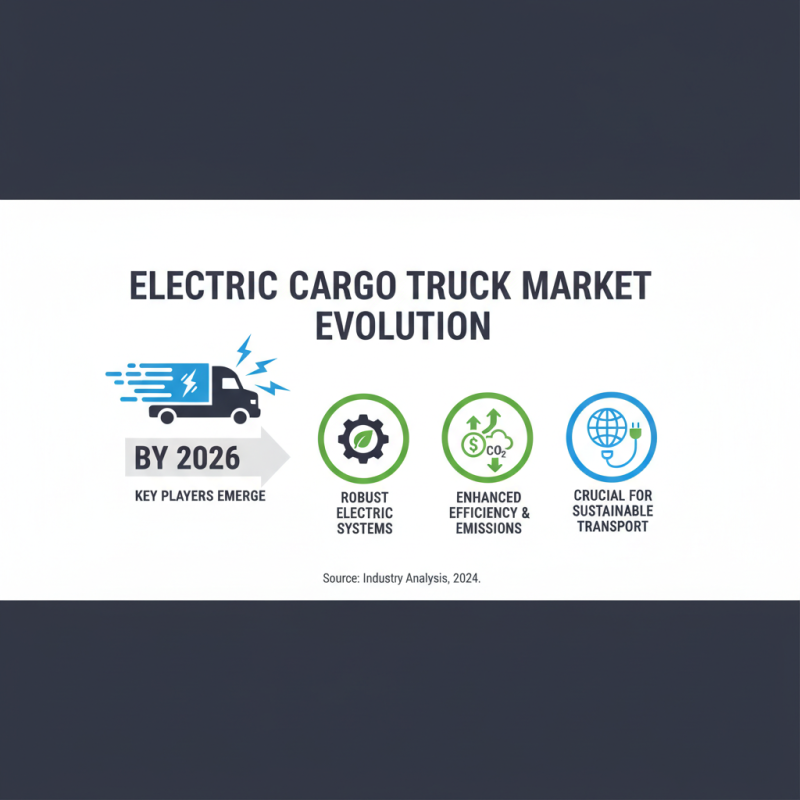
As we approach 2026, electric cargo trucks are becoming increasingly pivotal in the logistics landscape. Growing concerns over climate change drive the need for sustainable alternatives. According to the International Energy Agency, electric trucks can reduce greenhouse gas emissions by 40% compared to traditional diesel models. This figure is urging many logistics companies to rethink their fleets.
Electric cargo trucks also promise lower operating costs. Data from the U.S. Department of Energy indicates that electric vehicles are about 60% cheaper to maintain than their fossil fuel counterparts. Fleet operators could see significant savings once they make the shift. However, the transition comes with challenges. Infrastructure for charging must keep pace. Many operators worry about range anxiety and charging times. These factors can hinder widespread adoption.
In 2026, the need for reliable electric cargo trucks will be undeniable. Supply chains will benefit from cleaner operations. Yet, the industry must address infrastructure gaps. Collaboration between manufacturers and government will be essential.
Electric Cargo Car technology is advancing, but successful integration requires overcoming logistical hurdles.
Innovations in Electric Cargo Truck Technology to Anticipate
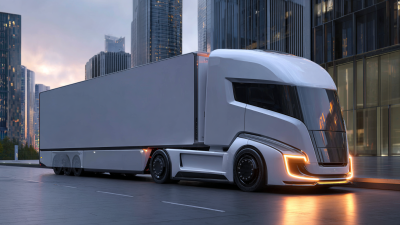
The future of electric cargo trucks is bright. By 2026, innovative technologies will shape how we view transportation. Battery advancements are on the horizon. They promise longer ranges and shorter charging times. Imagine trucks that can operate throughout a full day without frequent stops.
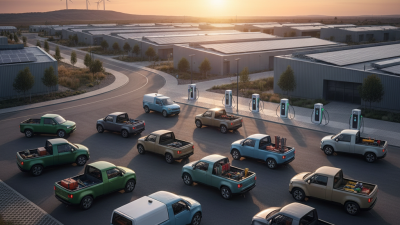
Charging infrastructure will also evolve. We are likely to see more charging stations on highways and in urban areas. This is critical for the growth of Electric Cargo Auto. Fleets will be able to plan routes better. Real-time data will inform drivers of available charging points.
Tip: Consider the range of electric cargo trucks when planning deliveries. A longer range means fewer interruptions. Look for features that enhance efficiency, too.
Another area to watch is smart technology. Automation and AI can improve route planning. They can reduce fuel consumption. Trucks may become more user-friendly, making operations smoother. However, challenges remain. Ensuring safety for fully automated vehicles is still a hurdle.
Tip: Keep an eye on feedback from early users. They provide valuable insights. Their experiences can shape future developments in electric cargo auto.
Projected Electric Cargo Truck Market Growth (2023-2026)
This bar chart illustrates the projected market size of electric cargo trucks from 2023 to 2026. The increasing market size reflects significant advancements in electric cargo truck technology and the growing acceptance of electric vehicles in the logistics sector.
Environmental Impact of Electric Cargo Trucks on Logistics
Electric cargo trucks are revolutionizing the logistics sector. Their potential to cut emissions significantly is a key point. These vehicles produce zero tailpipe emissions, which directly contributes to cleaner air. Particularly in urban areas, this can improve overall public health. However, the shift to electric is not without challenges.
Charging infrastructure is still a concern. Many regions lack sufficient charging stations. This can lead to logistical inefficiencies. Also, the production of batteries carries environmental impacts that shouldn't be overlooked. Lithium mining, for example, has ecological consequences. Sustainable sourcing of materials is essential for truly green transportation.
Fleet operators must also adapt to new technologies. Training drivers on electric truck operations is critical. There’s still skepticism regarding the range and performance of these vehicles. Some worry about reliability under heavy loads. Addressing these concerns will be vital for widespread adoption. The journey toward sustainable logistics is ongoing. There are bumps along the road, but the potential benefits are enormous.
Regulatory Changes Affecting Electric Cargo Truck Adoption
Regulatory changes play a crucial role in electric cargo truck adoption. As cities enforce stricter emission standards, manufacturers must pivot quickly. According to a 2022 market analysis, 40% of logistics companies are considering electric options due to upcoming regulations. This shift is not just necessary; it is strategic. It allows companies to meet new National Ambient Air Quality Standards (NAAQS) in places like Los Angeles.
However, these changes can create challenges. Infrastructure for charging needs improvement. A recent report highlighted that only 20% of urban areas have adequate charging networks in place. Without proper support, companies face high operational costs. Maintenance and initial investments in electric cargo vehicles still raise concerns. Fleet managers often hesitate. They question reliability and ROI amid changing rules.
The industry is at a tipping point. Despite uncertainties, momentum is building. Adoption rates may increase as regulations tighten. A study projects that by 2026, electric truck sales could reach 70% of the cargo market. This figure reflects a potential surge in demand for greener solutions. Nevertheless, the path ahead is fraught with obstacles that demand attention. The road to widespread adoption is not yet smooth.
Consumer and Business Adoption Trends for Electric Cargo Trucks
The adoption of Electric Cargo Vehicles is steadily rising. Businesses are seeing the benefits of reduced emissions and lower operating costs. Many logistics companies are exploring electric options. The push for sustainability drives this trend. Cities are implementing stricter emissions regulations. Companies must adapt to remain competitive.
Consumer interest is also growing. Awareness of climate change is influencing purchasing decisions. Electric Cargo Vehicles are becoming more desirable among eco-conscious buyers. However, challenges remain. Charging infrastructure is still limited in many areas. Potential buyers express concerns about battery life and range. These factors complicate the transition.
Innovation is crucial for future success. Research and development will focus on efficiency and performance. Collaboration among manufacturers and governments can enhance infrastructure. As adoption increases, it may lead to new business models. The path is not clear-cut, which invites dialogue and reflection.
Challenges Facing the Electric Cargo Truck Industry in 2026
The electric cargo truck industry will face several challenges in 2026.
One significant issue is battery technology.
Current batteries often lack the range needed for long-haul delivery.
This limitation could hinder efficiency and productivity.
Charging infrastructure is also a major concern.
Insufficient charging stations can lead to delays and increased operational costs.
Convenience is key for logistics providers.
Another challenge is regulatory compliance.
Governments may impose more stringent emissions standards.
Trucks must adapt quickly to these changes.
Sustainability goals are crucial, but they often clash with production timelines.
Furthermore, the technology that powers electric cargo trucks must improve.
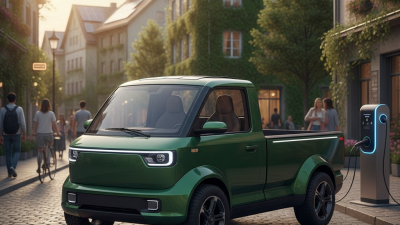
The L7e Electric Cargo Van, for instance, is a promising option, but it requires more developments.
Additionally, consumer acceptance plays a role.
Logistics firms may be hesitant to switch from traditional vehicles.
Concerns about reliability and maintenance costs persist.
As the industry evolves, manufacturers must address these doubts head-on.
Investing in research and development is essential to overcome these barriers.
Each challenge presents an opportunity for growth and innovation.
Conclusion
As we look toward 2026, the electric cargo truck market is poised for significant transformation, driven by a growing emphasis on sustainability and efficiency in logistics. These vehicles are becoming essential as businesses seek to reduce their carbon footprint and comply with evolving regulatory frameworks aimed at promoting greener alternatives. The innovations in battery technology and drivetrain efficiency are set to enhance the performance and appeal of electric cargo trucks, making them a viable option for a wide range of industries.
Key players in the market are anticipated to leverage advancements in technology to overcome challenges such as range anxiety and charging infrastructure. Adoption trends among consumers and businesses indicate a shift towards electric cargo trucks, reflecting a broader commitment to environmental responsibility. However, hurdles like initial investment costs and the need for robust charging networks must be addressed to ensure widespread adoption by 2026.