You've probably heard about the rise of the Electric Fire Engine, and honestly, it's a game-changer for firefighting tech. Experts like John Hart, who’s the Chief Engineer over at EcoFire Solutions, comment that “Innovation in fire safety is super important, and electric fire engines are really leading the way.” Things are moving fast in this area, driven mainly by the push for more sustainable practices and making operations smoother and more efficient.
These electric fire engines cut down emissions big time. Thanks to their advanced battery systems, they can run longer and don’t require as much maintenance—they’re pretty impressive. But of course, it’s not all smooth sailing; fire departments are gonna need to update their training programs to get crews used to these new electric systems, which work quite differently from traditional engines.
Looking ahead to 2026, the demand for electric fire solutions is only going to grow, and it’ll definitely challenge us to think about new infrastructure and charging setups. As we step into this new era, our main focus has to stay on being effective firefighters while figuring out how to deal with all the logistics around these innovations. Honestly, it’s important we stay honest about how ready we are for these changes and keep improving along the way.
Emerging Technologies in Electric Fire Engines for 2026
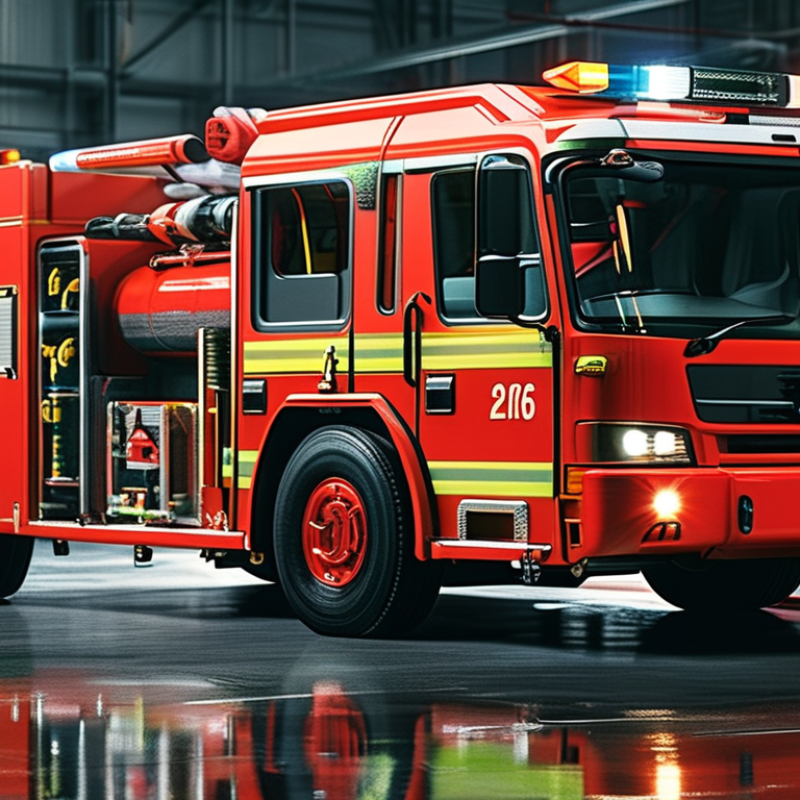
The electric fire engine landscape is evolving rapidly. By 2026, emerging technologies will dramatically reshape firefighting capabilities. It's projected that electric fire engines will account for 25% of new fire engine sales by this time. This shift emphasizes the importance of energy-efficient solutions in firefighting operations. Many departments are considering
Electric Mini Fire Engines due to their compact nature and lower emissions.
The integration of smart technology is another key trend. Advanced sensor systems can provide real-time data during emergencies. These tools help in assessing fire conditions and resource allocation. Furthermore, these electric engines often feature quiet operation, reducing noise pollution in urban settings. However, some fire departments face challenges in adapting to these new technologies. Training personnel on electric engine systems is crucial yet can require significant investment and time.
Battery technology is evolving, but concerns remain. Current batteries may not offer the range needed for prolonged firefighting operations. Departments must weigh options like fast-charging stations versus longer-lasting batteries. There are gaps to fill, and solutions are still being researched. As we prepare for 2026, the success of Electric Mini Fire Engines will depend on addressing these challenges and maximizing the potential they bring to firefighting.
Key Advantages of Electric Fire Engines Over Traditional Models
Electric fire engines are gaining traction thanks to their unique advantages over traditional models. One major benefit is their reduced environmental impact. These vehicles produce zero emissions, making them a greener choice for firefighting. The shift towards electric engines reflects a growing commitment to sustainability in emergency services.
Another pivotal advantage is operational efficiency. Electric fire engines often have lower maintenance costs. Fewer moving parts mean less wear and tear. This can lead to increased uptime, allowing fire departments to respond more rapidly to emergencies. Additionally, they can operate more quietly, which is crucial in urban areas during nighttime operations.
However, the transition to electric fire engines is not without challenges. Charging infrastructure needs improvement. Fire departments must evaluate how to integrate this technology into their existing systems. Training personnel to operate and maintain electric engines also requires time and resources. Balancing innovation with practicality will be essential as we approach 2026.
Environmental Impact: Reducing Carbon Footprint in Fire Fighting
As the urgency to combat climate change grows, the fire service faces a crucial challenge.
Electric Fire Trucks
offer a promising avenue to reduce the carbon footprint in firefighting. With advancements in battery technology, these vehicles can operate efficiently, often with zero emissions.
This shift is essential, given that traditional fire engines usually rely heavily on fossil fuels, contributing to pollution and greenhouse gas emissions.
However, the transition to electric fire trucks isn’t entirely smooth. The infrastructure for charging stations is still developing. In some regions, the availability of electricity can pose challenges during emergencies.
Fire departments need to evaluate their needs carefully while considering community resources. This is a delicate balance: embracing new technology while ensuring rapid response times during fires remains a priority.
Moreover, ongoing training is crucial for firefighters to adapt to new equipment. The unique features of electric fire trucks demand a different approach to their operation.
Understanding these vehicles' limitations and strengths is vital for successful integration. Ultimately, while electric fire trucks promise a reduced environmental impact,
they also require reflection on their practical implementation in diverse firefighting scenarios.
The Role of Battery Technology in Enhancing Electric Fire Engines
The emergence of battery technology is transforming the landscape of electric fire engines. By 2026, we can expect significant advancements that enhance performance and responsiveness. These innovations pave the way for electric fire engines to tackle emergency situations more effectively. The L7e Electric Fire Truck showcases how enhanced batteries provide quicker charge times and extended operation periods.
Incorporating robust battery systems is crucial. Many fire departments are recognizing the efficiency gains from newer designs. A well-maintained battery can operate seamlessly in critical conditions. However, issues like thermal management and battery lifespan still require attention. Firefighters must be trained to handle these challenges effectively.
Tips for departments considering electric fire engines include evaluating battery performance during emergencies. Test scenarios help identify areas for improvement. Collaborating with technology experts can lead to innovative solutions. Sharing experiences with other departments can enhance overall readiness and effectiveness. As we prepare for the future, the role of battery technology will only become more central.
Future Challenges in Implementing Electric Fire Truck Solutions
The shift towards electric fire engines is gaining momentum. However, the journey to implement these solutions comes with significant challenges. The National Fire Protection Association points out that around 27% of fire departments are considering electric vehicle adoption. This statistic showcases the growing interest but also highlights the uncertainty many departments face.
One of the key challenges is infrastructure. Electric fire engines require charging stations that are not always available. A recent report from the U.S. Department of Energy emphasizes that only 29% of fire departments have access to charging facilities. This gap can lead to operational delays, potentially affecting response times in emergencies.
Additionally, fire departments must evaluate the total cost of ownership. According to a study by the International Energy Agency, while electric fire trucks may have lower fuel costs, initial purchase prices can be significantly higher. This creates hesitation among budget-conscious departments. They must weigh long-term savings against immediate expenditures. The complexity of integrating new technology into traditional firefighting operations raises further concerns about training and maintenance.
Top Electric Fire Engine Trends for 2026
Comparative Analysis: Global Adoption Rates of Electric Fire Engines
The adoption of electric fire engines is gaining traction globally. Many countries are exploring the benefits of these vehicles. They address urgent needs for sustainable firefighting solutions. For example, the shift towards electric engines helps reduce carbon footprints in urban areas. However, challenges remain in widespread implementation.
In North America, adoption rates are starting to rise. Some cities have integrated electric fire engines into their fleets. Despite this, there are hurdles like the high initial costs and limited range. Training personnel to operate these new engines effectively also requires attention. Meanwhile, Europe is seeing faster integration due to stricter environmental regulations. Countries are investing significantly in electric firefighting technology.
Asia is still catching up in this arena. Many regions lack the infrastructure for effective electric vehicle use. Investments in charging stations are critical for future success. Local governments are starting to recognize the advantages, but hesitation persists. Ultimately, the trend towards electric fire engines is promising yet complex. The road to full adoption will require ongoing investment and strategic planning.
Regulatory Trends Shaping the Future of Electric Fire Fighting Equipment
Regulatory changes are driving innovation in the electric fire fighting equipment sector. Governments worldwide are focusing on sustainability, pushing fire departments to adopt eco-friendly technologies. These regulations promote Electric Fire Apparatus as a cleaner alternative to traditional vehicles. In the next few years, more policies will emerge, requiring compliance with stricter emission standards.
Event organizers and municipalities are increasingly concerned about public safety. This heightened awareness will influence the design and function of electric fire apparatus. Features like enhanced battery life and rapid charge capabilities will become critical. Agencies may face challenges with existing infrastructure as they transition to electric models. However, this transition can lead to improved efficiency and reduced operational costs in the long run.
As manufacturers adapt, collaboration between industry stakeholders is essential. Knowledge sharing and best practices will help ease the implementation of new technologies. There may be a learning curve, with some departments hesitant to shift their focus. Yet, the benefits of electrical fire apparatus in enhancing operational safety and environmental compliance are hard to overlook.
Revolutionize Your Street Food Business: The Electric Food Truck T50 with Smart Features for Modern Vendors
The Electric Food Truck T50 is the ultimate game-changer for street food vendors, equipped with smart features designed to meet the demands of modern food businesses. Ideal for bustling night markets, lively barbecues, and refreshing fruit sales, this electric food truck is perfect for individual entrepreneurs eager to elevate their offerings. Its automotive-grade craftsmanship ensures that every element meets stringent passenger-car standards, providing a reliable and efficient transportation solution.
What truly sets the T50 apart are its advanced smart features that enhance the overall vendor experience. The inclusion of an Anti-lock Braking System (ABS) with Electronic Brake Distribution (EBD) ensures safety during operation, combined with efficient energy recovery and a robust battery thermal management system. Additionally, with independent double-shock absorber suspension and Bluetooth mobile connectivity, navigating through busy streets or making quick adjustments has never been easier or more efficient.
Designed with comfort in mind, the T50 boasts an ergonomic seating layout and an HVAC system to maintain optimal temperatures in varying weather conditions. Vendors can enjoy the convenience of a central door locking system and electric windows, creating an inviting atmosphere for customers while maximizing operational efficiency. With a remarkable turning radius of just 5.4 meters, maneuvering through tight alleyways or executing U-turns is seamless, making the T50 the ideal partner for any street food venture.
FAQS
: Adoption is rising globally, with some cities using electric fire engines. However, challenges remain.
They reduce carbon footprints in urban areas and promote sustainable firefighting solutions.
High initial costs, limited range, and the need for proper personnel training are significant hurdles.
Stricter environmental regulations and significant investments in technology drive faster integration.
There’s a lack of necessary infrastructure, especially charging stations, which slows progress.
Governments emphasize sustainability, pushing for compliance with stricter emission standards in firefighting technology.
Enhanced battery life and rapid charging capabilities will be essential for efficient operations.
Knowledge sharing among stakeholders can ease the learning curve and improve adoption rates.
Some may hesitate due to existing infrastructure challenges but must recognize the long-term benefits.
While promising, the road to full adoption is complex and requires ongoing investment and strategic planning.
Conclusion
The article "Top Electric Fire Engine Trends for 2026 Are You Ready?" explores the transformative advancements shaping the future of electric fire engines. As emerging technologies continue to evolve, these vehicles are exhibiting key advantages over traditional models, including reduced operational costs and enhanced performance. The environmental impact is significant, as electric fire engines contribute to a lower carbon footprint in firefighting efforts, aligning with global sustainability goals.
Additionally, advancements in battery technology are critical for improving the efficiency and reliability of electric fire engines, although challenges remain in their widespread implementation. A comparative analysis of global adoption rates indicates varying progress in different regions, influenced by regulatory trends that are increasingly supporting electric firefighting solutions. Overall, the transition to electric fire engines represents a pivotal shift in emergency response capabilities, addressing both environmental concerns and operational effectiveness.