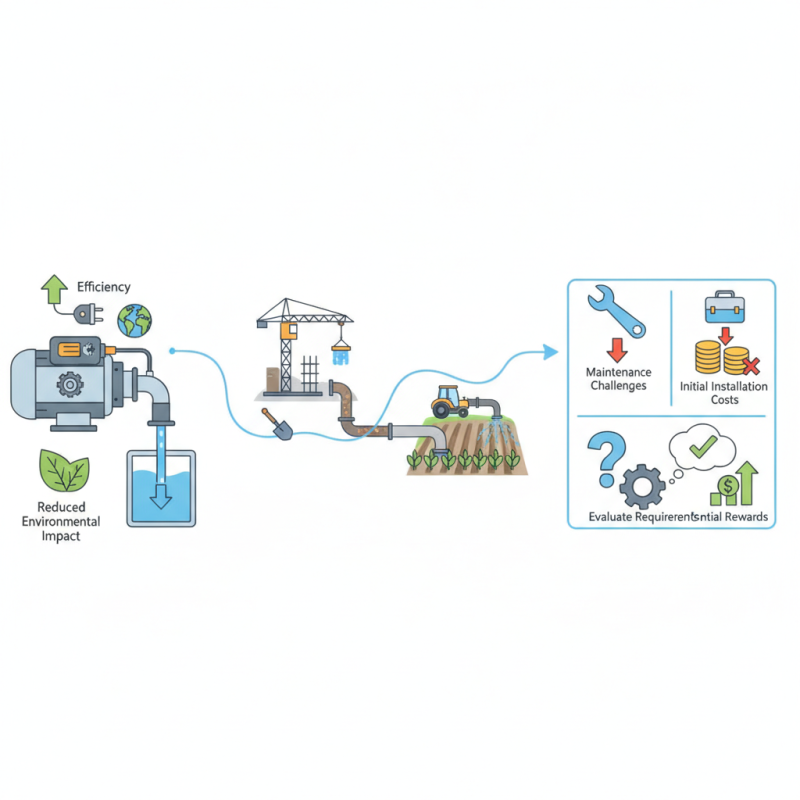
When it comes to fluid management these days, the Electric Pumper really stands out as a game-changer. I recently read what Dr. Emily Johnson from Fluid Dynamics Corp said—she’s pretty well-known in the field—and she mentioned, “Electric Pumpers boost efficiency and are better for the environment.” Honestly, that’s a sign of how people are starting to see electric pumpers as part of the move toward more sustainable solutions.
Basically, Electric Pumpers are built to move liquids accurately and reliably. They run on electric motors, which helps save energy, and that’s a big plus. You’ll find these systems everywhere—construction sites, farms, you name it—industries rely on them all the time. But, fair warning, they’re not perfect. There can be some tricky maintenance issues, and initial setup costs might be a bit high. It’s definitely important for businesses to keep these factors in mind if they’re thinking about making the switch.
All in all, when you’re learning about Electric Pumpers, it’s good to recognize both what they do well and where they fall short. They’re not a one-size-fits-all kind of solution, so companies really need to check if it fits their specific needs. Sure, bringing one of these systems into your operation might be a bit complicated at first, but honestly, the payoff could be pretty huge in the long run.
What is an Electric Pumper?
An electric pumper is a specialized device used to move fluids with ease. It’s primarily powered by electricity, making it
efficient and environmentally friendly. Unlike traditional pumps, electric pumpers offer
precision and speed. They are widely used in various industries, including agriculture, construction,
and wastewater management.
The mechanism behind an electric pumper is relatively simple yet effective. It utilizes an electric motor to create a pressure differential.
This differential helps to push liquid through pipes or hoses. The design varies, with some models featuring a diaphragm or centrifugal mechanism.
These components work together to ensure smooth operation. However, users sometimes encounter issues like clogging or
overheating due to prolonged use.
The versatility of electric pumpers is impressive. They can handle different types of fluids, including water, oil, and chemicals.
Installation is generally straightforward, but users must consider power requirements and placement. Regular maintenance is crucial for optimal performance.
This includes checking for wear and tear, as well as ensuring no leaks exist. Not all electric pumpers are created equal, so understanding
specifications is essential for selecting the right model.
Components of an Electric Pumper
Electric pumpers have gained traction in various industries, driven by their efficiency and eco-friendliness. The essential components of an electric pumper include an electric motor, a pumping chamber, and a control system. The electric motor is the heart of the machine, converting electrical energy into mechanical energy. Reports suggest that electric motors can achieve efficiencies of over 90%, outperforming traditional combustion engines.
The pumping chamber receives the fluid, creating a pressure differential that drives it forward. Materials used for the chamber often include durable plastics or metals, designed to withstand high pressures. A control system manages the operation of the motor and pump speed, providing precise flow rates. Experts note that integrating these systems can optimize performance and reduce energy consumption by up to 30%.
In addition, monitoring systems are crucial for maintenance. These can detect anomalies in the electric pumper's operation, ensuring reliability over time. Industry studies indicate that regular maintenance can extend the lifespan of electric pumpers. However, the reliance on technology means that any malfunction may require immediate attention to prevent inefficiencies. Electric Mini Trucks frequently utilize these pumpers for liquid transport tasks, enhancing their overall functionality in urban environments.
How Electric Pumpers Generate Power
Electric pumpers are an important innovation in the fluid transfer industry. They function by converting electrical energy into kinetic energy, which moves liquids efficiently. According to industry reports, the global electric pump market is projected to reach $40 billion by 2024. This shows a growing reliance on electric solutions, especially as manufacturers seek eco-friendly alternatives.
The mechanics behind these devices are fascinating. Electric Mini Trucks often come equipped with high-efficiency motors that reduce energy consumption. These motors convert electric power directly into mechanical energy. In many cases, the efficiency of electric pumpers can exceed 70%, a significant improvement compared to traditional models. However, challenges remain, such as battery limitations that can restrict operational time.
Users have noted that while electric pumpers offer advantages, they also demand a careful analysis of their applications. Not all setups benefit equally from electric options. Some environments may experience performance discrepancies due to power supply inconsistencies. The industry continues to explore these challenges as they strive for greater reliability in electric systems. Continued monitoring and innovation are essential for enhancing the sector's effectiveness.
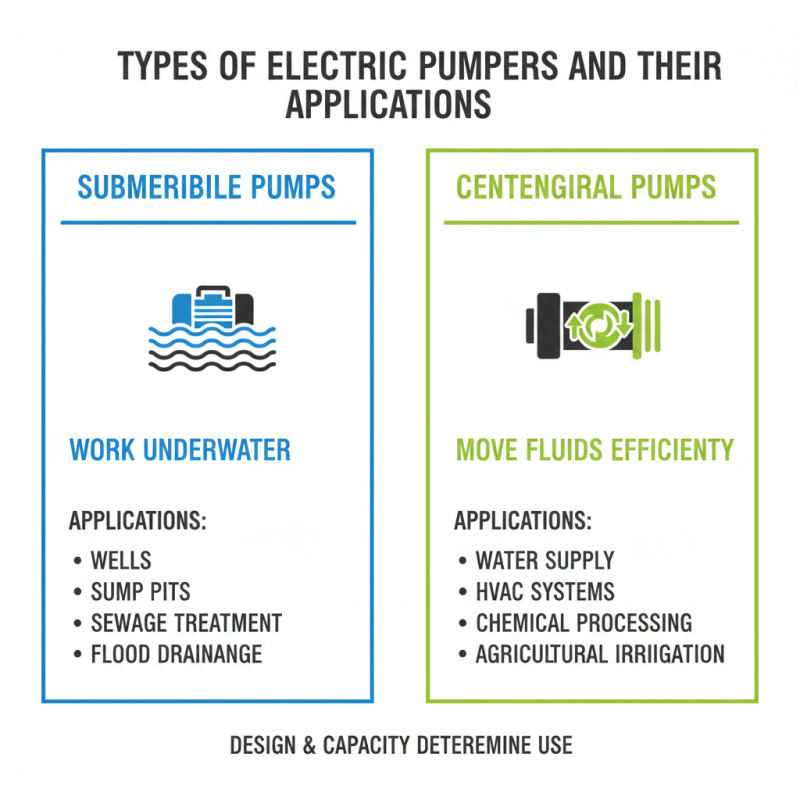
Types of Electric Pumpers and Their Applications
Electric pumpers are essential in various industries, each type serving unique functions. There are submersible pumps, which work underwater, and centrifugal pumps, known for moving fluids efficiently. Different applications exist depending on their design and capacity.
Submersible electric pumpers are frequently used in drainage tasks. They excel in removing water from flooded areas or basements. Conversely, centrifugal pumps are ideal for agricultural irrigation. They can manage large volumes of water, making them efficient for farms and gardens.
Consider the portability of electric pumpers. Some models are lightweight and easy to transport, while others may be bulky. When choosing a pump, weight can significantly affect usability. Additionally, many settings require thoughtful planning, such as ensuring reliable power access. Understanding these variables helps optimize performance and avoid complications in real-world scenarios.
Operating Principles of Electric Pumpers
Electric pumpers are crucial in various industrial applications, transferring fluids efficiently. Their operation relies on electrical energy to create pressure and facilitate fluid movement. Understanding how electric pumpers work can enhance their usability and efficiency.
The primary operating principle involves an electric motor that drives a pump mechanism. This motor converts electrical energy into mechanical energy, causing the pump to draw in liquid. The design typically includes an impeller or diaphragm that increases the fluid's pressure. The liquid then moves through a piping system, reaching its designated location. This process allows electric pumpers to handle diverse fluids, from water to chemicals.
Using an electric pumper requires attention to detail. Selecting the right size and capacity is essential for optimal performance. Operators must consider the fluid's viscosity and temperature. Regular maintenance is vital to prevent malfunctions. Even the best systems can have issues, like airlock or cavitation. Therefore, continuous monitoring and timely adjustments are necessary for effective operation. An Electric Broom can optimize cleaning processes, showcasing how electric pumpers impact various industries.
Advantages of Using Electric Pumpers
Electric pumpers are becoming increasingly popular in various industries. Their advantages make them a practical choice for many applications. One notable benefit is energy efficiency. Electric pumpers consume less energy compared to traditional fuel-powered models. This leads to lower operational costs over time, making them a sustainable option.
Another advantage is reduced environmental impact. Electric pumpers produce no emissions during operation. This makes them suitable for indoor use or areas where air quality is a concern. Additionally, they often operate quietly, minimizing noise pollution. However, some electric models might struggle in extreme conditions, such as extreme heat or cold. This limitation calls for careful consideration of specific operational environments.
Maintenance is generally simpler with electric pumpers. They have fewer moving parts than conventional models. This can reduce the frequency of repairs and prolong their lifespan. Yet, the initial investment can be higher, which might deter some users. Overall, while electric pumpers offer considerable benefits, potential buyers should assess their unique needs carefully.
Maintenance and Troubleshooting Tips for Electric Pumpers
Electric pumpers are essential for various applications, from irrigation to industrial processes. Regular maintenance ensures their optimal performance. According to industry reports, about 30% of electric pump failures result from a lack of proper upkeep. Users must prioritize routine checks.
Inspecting seals and bearings is crucial. Worn-out parts can lead to leaks and reduced efficiency. Cleaning the pump regularly enhances its lifespan. Many users neglect this step, resulting in decreased performance. Remember, an investment in maintenance pays off.
Troubleshooting issues can be straightforward. If the electric pumper doesn’t start, check the power supply first. A simple power outage can cause confusion. Ensure the wiring is intact. Moreover, monitor for unusual vibrations. These could indicate imbalance or wear on the internal components. The L7e Electric Car industry also emphasizes the importance of regular checks, as it parallels the reliability expected in electric pumpers. Ultimately, attention to detail makes all the difference.
Electric Pumper Usage Statistics
This chart illustrates the common applications of electric pumpers in various industries, showcasing their usage percentages.
Innovative Solutions for Urban Maintenance: The Impact of Electric Cleaning Vehicles like the Reach T40
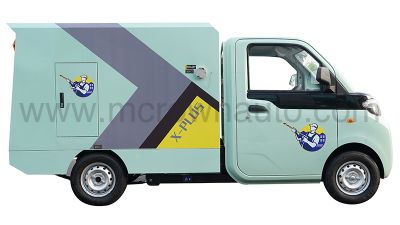
The rise of electric cleaning vehicles, such as the innovative models designed for urban maintenance, is transforming how cities manage cleanliness and environmental sustainability. With urban dust levels reported to be increasing due to vehicle emissions and construction activities, advanced cleaning solutions are crucial. Electric cleaning vehicles excel in road dust suppression, road cleaning, and specialized scene cleaning, effectively addressing these urban challenges.
Manufactured with automotive-grade craftsmanship and featuring 18 patented technologies, these electric vehicles offer performance that surpasses traditional cleaning methods. The integration of smart features, including an energy recovery system and automatic climate control, ensures optimal efficiency while minimizing environmental impact. Reports indicate that electric vehicles can lower operational costs by up to 40% compared to their fossil-fuel counterparts, making them a financially viable choice for municipalities.
In addition to their innovative technology, electric cleaning vehicles are designed for user comfort and maneuverability. With ergonomic seats, central locking, and efficient climate control, operators enjoy a superior driving experience. The impressive turning radius of less than 5.4 meters allows for effortless navigation in tight urban spaces, supporting more effective and thorough cleaning operations. As cities continue to evolve, embracing electric cleaning solutions will be vital in achieving cleaner, greener urban environments.
FAQS
: An electric pumper is a device that efficiently moves fluids using electric power. It is eco-friendly and precise.
It operates an electric motor that creates a pressure differential, moving liquids through pipes or hoses.
Electric pumpers can manage various fluids, including water, oil, and chemicals, depending on their specifications.
Regular maintenance includes checking for leaks, wear, and tear. This helps ensure optimal performance during use.
No, electric pumpers vary in design and specifications. Understanding these differences is vital for selecting the right model.
Users may face problems like clogging, overheating, airlock, or cavitation if not monitored properly during operation.
Installation is crucial. Users must consider power needs and placement to ensure the system operates effectively.
Yes, choosing the appropriate size and capacity is essential. It impacts how well the pumper handles different fluids.
Operators should keep an eye on fluid viscosity, temperature, and any potential malfunctions to ensure efficient operation.
Conclusion
An Electric Pumper is a specialized device designed to transport fluids using electrical energy. It comprises various components, including an electric motor, pump casing, and impeller, which work together to generate power and facilitate fluid movement. Electric Pumpers come in different types, catering to various applications ranging from industrial operations to agricultural uses. Their operating principles are grounded in the conversion of electrical energy into mechanical energy, allowing for efficient fluid transfer.
The advantages of using Electric Pumpers include improved energy efficiency, reduced emissions, and lower operational costs compared to traditional pump systems. Regular maintenance and troubleshooting are essential to ensure optimal performance and longevity. By understanding the components, power generation methods, and operational principles of Electric Pumpers, users can make informed decisions about their application and ensure they are utilizing these devices effectively.