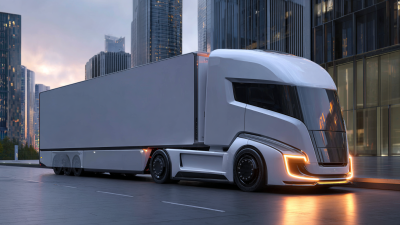
In the ever-changing world of transportation, picking a high-quality OEM EV cargo vehicle factory honestly matters more than you might think. Like John Smith, an expert in electric vehicles, puts it, "Choosing the right factory can really make or break your EV plans." That’s a pretty good reminder of just how important careful selection is when it comes to OEM partners.
When you're on the lookout for a reliable EV cargo vehicle factory, don’t just focus on the surface. Make sure they meet safety and environmental standards—that’s a given. But more than that, quality isn’t only about ticking boxes; it’s also about innovation. Plenty of factories might claim to be *cutting-edge*, but not all actually deliver on that promise.
It's super helpful to look into their past projects—see if they’ve successfully worked on similar kinds of vehicles before and what their customers have to say. Sometimes a factory might be really tech-savvy but fall short on customer service—that's often a warning sign. In the end, take your time to really understand what each factory can offer. Building a solid, high-quality partnership in the EV cargo vehicle game needs some research and a bit of reflection, for sure.

Understanding OEM Cargo Vehicle Specifications and Standards
When evaluating OEM cargo vehicles, understanding specifications and standards is crucial. According to market research, nearly 70% of fleet managers prioritize durability and efficiency. Battery range and payload capacity are key factors. For instance, a quality electric vehicle should offer a minimum range of 150 miles on a single charge. This metric can be vital for logistics firms operating over long distances.
Familiarity with industry standards is also essential. The Society of Automotive Engineers (SAE) defines various levels of vehicle performance. New OEMs may struggle to meet these standards. Reports indicate that 45% of manufacturers failed to comply with emissions regulations last year. This highlights the importance of rigorous testing and quality assurance protocols.
Lastly, consider customer feedback and market trends. A study found that 55% of buyers prioritize after-sales service and support. Manufacturers not investing in these areas often face challenges. Without proper support, fleets can experience downtime, leading to economic losses. It’s necessary to reflect on these elements before making a decision.
Assessing Manufacturing Capabilities of EV Cargo Vehicle Factories
Choosing a high-quality OEM EV cargo vehicle factory involves careful assessment of manufacturing capabilities. Industry reports indicate that over 70% of EV manufacturers consider production efficiency as crucial. A factory's output capabilities should align with market demand. High-volume production often indicates advanced infrastructure and experienced staff.
Monitoring key performance indicators (KPIs) is essential. Look for factories that report on defect rates and production timelines. A typical defect rate should be below 3%. However, achieving this can be challenging. Many factories struggle with inconsistency, leading to unexpected downtimes and increased costs.
An effective factory often invests in technology. Automation can enhance precision and efficiency. According to recent studies, automation can boost productivity by 20-30%. Yet, it also requires skilled labor to manage. Insufficient training may hinder performance. Consequently, evaluating a factory's training programs is vital. Understanding this balance helps gauge manufacturing capability. This multifaceted approach leads to better decision-making in selecting an OEM partner.
Evaluating Supplier Experience and Industry Reputation
When selecting a high-quality OEM EV cargo vehicle factory, evaluating supplier experience is crucial. A factory's history provides insights into their capabilities. How long have they been in the industry? A longer presence might indicate stability and reliability. Look at their production processes. Are they utilizing advanced technologies? This can affect the quality of the vehicles produced.
Industry reputation also plays a significant role. Check customer reviews and testimonials. Do former clients express satisfaction? Positive feedback often highlights a supplier's strengths. However, some reviews may reveal potential issues. Pay attention to complaints. What were the main concerns? Understanding these can guide your decision-making.
Don’t overlook certifications. They demonstrate a commitment to quality standards. Yet, not all certifications ensure the best products. It’s essential to investigate what these certifications mean. Are they relevant to your needs? Balancing experience and reputation with actual performance can be challenging but necessary for making informed decisions.
Analyzing Quality Control Processes in Production
When selecting a high-quality OEM EV cargo vehicle factory,
quality control processes play a vital role.
Industry data shows that manufacturers with robust quality control can reduce defect rates by up to
30%. This is crucial in an evolving market, where safety and
reliability are paramount. Consistent inspections during various production stages help catch mistakes early.
Factories should emphasize checks from material sourcing to final assembly.
Another critical aspect is the use of standardized testing protocols.
Over 65% of top manufacturers implement testing for critical components,
such as battery efficiency and durability. However, inconsistencies often arise in smaller facilities.
Many lack proper certification or fail to adhere to industry benchmarks. This raises concerns about the
overall quality of their output.
Engaging with factories about their quality control procedures can reveal much.
Inquiring about their audit history and compliance with international standards is essential. A well-documented
process often indicates a commitment to excellence. Yet, even the most thorough systems may have gaps.
Continuous improvement should be a goal for every factory aiming to succeed in the competitive
EV cargo market.
Exploring Customization Options and Flexibility for OEM Projects
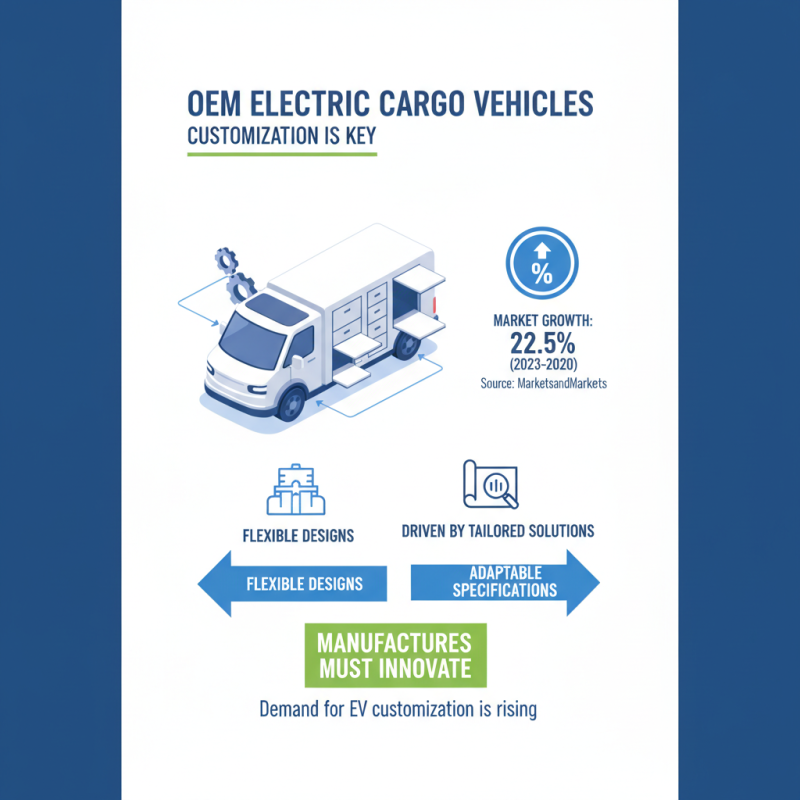
When selecting an OEM electric cargo vehicle factory, customization options are crucial. According to a report by MarketsandMarkets, the EV market is expected to grow by 22.5% from 2023 to 2030. Increasing demand for tailored solutions drives this growth. Manufacturers must be ready to offer flexible designs and specifications.
One important factor is modularity. Factories should allow clients to select components that best fit their needs. This includes battery size, cargo capacity, and interior layout. Not all manufacturers excel in this area. Some lack the ability to adapt to unique requirements. This can lead to missed opportunities in a fast-evolving market.
Additionally, production capacity matters. A factory’s ability to ramp up production to meet rising demand is essential. Companies may face challenges in balancing quality and speed. In some cases, rapid growth can dilute product excellence. Partners must ensure that quality control measures are in place during times of expansion. Discrepancies in quality can damage reputations and client relationships.
Reviewing Supply Chain and Delivery Capabilities
When selecting a high-quality OEM EV cargo vehicle factory, the supply chain and delivery capabilities are crucial. A factory's ability to deliver on time can greatly affect your business. Look for suppliers with a reliable logistics network. This ensures smooth production and timely delivery of vehicles.
**Tip:** Investigate the factory’s transportation methods. Do they have partnerships with efficient shipping companies? Understanding their delivery channels can give you insight into potential delays.
Another aspect to examine is inventory management. A factory that maintains optimal stock levels can respond quickly to changes in demand. Poor inventory management may lead to production halts and increased lead times.
**Tip:** Ask about their supply chain responsiveness. A proactive approach can help in adapting to market fluctuations. Ensure the factory uses technology to monitor and manage supplies effectively.
Assessing these factors during your selection process is essential. A factory may boast high-quality products but falter on delivery. Balancing quality with reliable supply chains will ultimately enhance your operations.
2026 How to Choose a High Quality OEM Ev Cargo Vehicle Factory? - Reviewing Supply Chain and Delivery Capabilities
| Criteria |
Rating (1-5) |
Comments |
| Manufacturing Capacity |
4 |
Sufficient capacity to meet large orders within timelines. |
| Quality Control Standards |
5 |
Strict adherence to international quality standards and certification. |
| Supply Chain Reliability |
4 |
Established relationships with suppliers ensure timely availability of components. |
| Delivery Capabilities |
3 |
Some challenges with logistics, but improving. |
| Technology & Innovation |
5 |
Frequent updates in technology to keep pace with industry standards. |
| Customer Support |
4 |
Responsive support team with 24/7 availability. |
| Pricing Competitiveness |
4 |
Offers competitive rates with transparent pricing models. |
Examining After-Sales Support and Warranty Services
When selecting a high-quality OEM EV cargo vehicle factory, after-sales support plays a crucial role. Consumers want assurance that their purchase is backed by reliable service. A strong after-sales support system should include technical assistance and maintenance services. Responsive customer service is vital. A quick response to inquiries or issues can greatly enhance customer satisfaction.
Warranties are another important aspect. They protect your investment and reduce risks associated with manufacturing defects. Comprehensive warranty coverage should include battery performance and major components. However, understanding warranty terms can be challenging. Not all warranties are created equal, and some may have hidden limitations. Make sure to read the fine print carefully.
Consider the factory's track record. Look for reviews and feedback from previous clients regarding their after-sales experiences. A factory with a solid reputation is more likely to deliver the promised support. It’s essential to ask questions during initial conversations. Clarity about service policies can prevent future misunderstandings. This level of scrutiny is necessary, as it directly impacts the long-term value of your vehicle.
Revolutionizing Urban Cleanliness: The Impact of the Electric Cleaning Vehicle - Reach T40 on Sustainable Cleaning Solutions
Urban cleanliness is a critical aspect of sustainable city living, and the introduction of the electric cleaning vehicle, such as the Reach T40, represents a significant advancement in promoting cleaner urban environments. As cities face increasing challenges from pollution and waste management, innovative solutions like electric cleaning vehicles are becoming essential. According to the latest industry reports, urban areas can reduce particulate matter by up to 50% through effective road dust suppression technologies, a key feature of the Reach T40.
This vehicle is designed not just for traditional road cleaning but also for special scene cleaning, making it versatile for various urban scenarios. The incorporation of automotive-grade craftsmanship ensures that the Reach T40 meets the demands of commercial vehicle use while utilizing 18 patented technologies. Features such as an energy recovery system and automatic climate control contribute to its efficiency and sustainability, minimizing the environmental impact while maximizing performance.
Maneuverability is another critical feature of the Reach T40, boasting a turning radius of just 5.4 meters. This allows for effortless navigation in tight urban spaces and facilitates quick operations in alleys or congested areas. Comfort is also prioritized through ergonomic seating and advanced climate control systems, enabling operators to perform their duties effectively and comfortably. As cities continue to embrace greener technologies, electric cleaning vehicles like the Reach T40 are paving the way toward a cleaner, more sustainable urban future.
FAQS
: Regular exercise boosts mood and improves mental health. It helps maintain a healthy weight. It can also enhance sleep quality.
Aim for at least 150 minutes of moderate activity weekly. Break it down into shorter sessions if needed.
A mix of aerobic, strength, and flexibility exercises works best. Try walking, swimming, or yoga for variety.
Consult a healthcare provider first. They can guide safe options suited to your condition. Ignoring limitations can be risky.
Set realistic goals and track progress. Enjoyable activities and working out with friends can also help maintain motivation.
Stop immediately and assess the situation. Pain may indicate injury. Seeking professional advice is important in such cases.
Yes, fatigue can occur, especially after intense sessions. Listen to your body and ensure proper recovery.
Nutrition plays a crucial role. Balanced meals provide energy and aid recovery. Poor diet can hinder performance and progress.
Short, high-intensity workouts can be effective. Even small activities throughout the day add up.
Yes, over-exercise can lead to injury or burnout. It is important to balance activity with rest and recovery.
Conclusion
Choosing a high-quality OEM EV cargo vehicle factory involves a comprehensive evaluation of several critical factors. First, understanding the specific specifications and standards required for EV cargo vehicles is essential to ensure compliance and performance. Next, assessing the manufacturing capabilities of the factory will provide insights into their ability to produce vehicles that meet these standards.
Additionally, evaluating the supplier's experience and reputation within the industry, along with scrutinizing their quality control processes, is crucial for guaranteeing a reliable and high-quality product. Customization options and the flexibility offered for OEM projects should also be considered, as they can greatly influence the final product. Furthermore, reviewing the supplier's supply chain and delivery capabilities ensures timely project execution, while examining after-sales support and warranty services is vital for long-term satisfaction with the EV cargo vehicle.