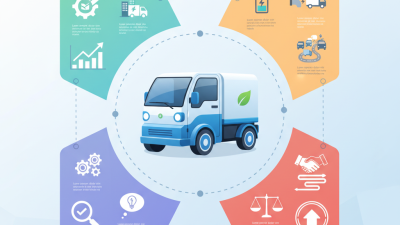
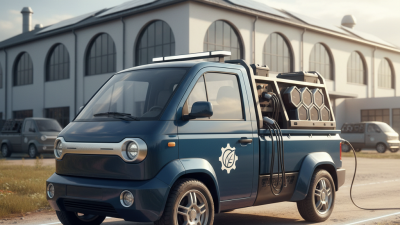
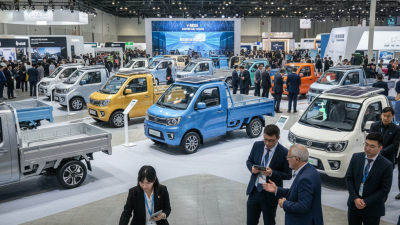
You know, with how quickly the automotive world is changing these days, it’s no surprise that people are really starting to care more about sustainability. Have you seen those small electric pickup trucks popping up everywhere? They’re becoming pretty popular, especially among folks who want to be kind to the planet. These trucks are pretty cool because they give you the practicality you need but with a green twist — perfect for running errands or even tackling some off-road adventures.
Looking ahead to 2026, it seems like more companies are gearing up to roll out new, innovative models. Big names like Rivian, Ford, and Tesla are really in the game here, focusing a lot on making batteries last longer and adding cool features, all while keeping the environmental footprint as small as possible. Honestly, these small electric pickups could be a game changer for lots of different uses, whether it’s your daily drive or weekend adventures.
That said, it’s not all smooth sailing. There are some hurdles, like the fact that charging stations aren’t everywhere yet, and the range on a full battery can still be a bit limiting. So consumers really have to weigh these issues—yes, they’re greener and more efficient, but there’s still some work to do to make them super practical everywhere. Ultimately, the future of these small electric pickups will depend on how well the industry can solve these problems, finding that perfect balance between being eco-friendly and actually usable in real life.
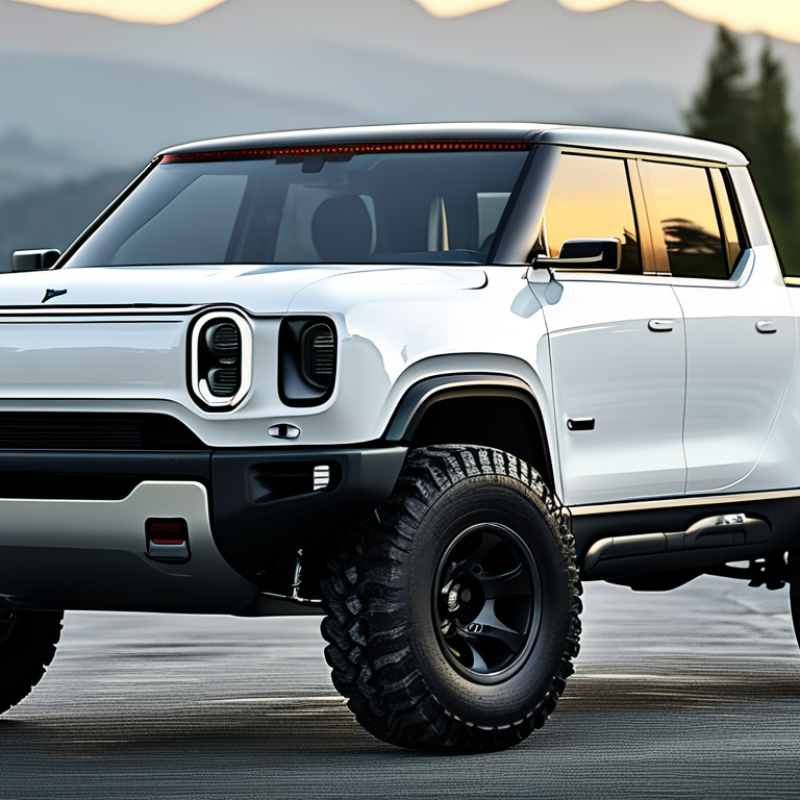
Overview of the Electric Pickup Truck Market Trends in 2026
The electric pickup truck market is evolving rapidly in 2026. Rising demand for sustainable transportation is shaping new trends. Consumers are increasingly focused on range and charging speed. Many buyers seek models that combine utility with efficiency. The trend is also moving towards lighter weight materials to increase performance. Compact designs are gaining traction, appealing to urban drivers.
The push for advanced technology continues. Features like autonomous driving and smart connectivity are expected. Additionally, manufacturers are investing in battery technology to enhance range. There is a growing emphasis on reducing charging time. Expect to see more home charging options that fit modern lifestyles.
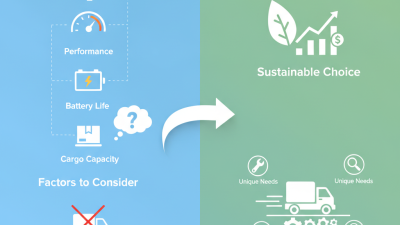
When considering your options, think about actual usage. Assess how often you need a full charge. Consider the availability of charging stations in your area. Evaluate the truck’s payload capacity against your needs. Watch for user reviews as they can provide insights not found in specifications. Careful research will help you make an informed decision.
Key Features to Look for in Small Electric Pickup Trucks
When considering small electric pickup trucks for 2026, key features play a substantial role in decision-making. Electric range is a priority. A long range means fewer charging stops during your journey. Look for options offering over 300 miles on a single charge. A decent range enhances the driving experience, especially in remote areas. Battery capacity is essential too. Higher capacity batteries usually translate to more power and durability.
Another important factor is towing capability. Many buyers require their trucks to haul equipment or trailers. Aim for pickups that can tow at least 7,000 pounds. This ensures versatile use for work and recreational activities. Interior comfort is often overlooked. Ergonomic designs and quality materials contribute to long-term satisfaction. Multifunctional features enhance usability, making work easier.
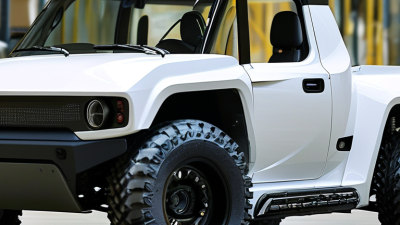
Additionally, consider technology integration. Advanced driver assistance systems, like lane assist and adaptive cruise control, improve safety. A robust infotainment system adds convenience for everyday driving. Electric pickups like the L7e Electric Pickup are starting to showcase innovative tech. However, potential buyers should reflect on their true needs. Evaluate what you truly want from the vehicle. Not every feature will align with your lifestyle, leading to possible buyer's remorse later.
Battery Technology Advancements Impacting Electric Trucks
As we look towards 2026, advancements in battery technology are reshaping the landscape for electric trucks. Improved energy density and faster charging times will empower engineers to create lighter, more efficient Electric Mini Pickups. These innovations promise longer ranges and improved performance, which are crucial for both urban and rural drivers. Enhanced battery management systems will also help optimize energy use, allowing for better mileage during heavy loads.
Despite this progress, challenges remain. The production of batteries still relies heavily on environmentally taxing materials. Recycling methods are not yet widely implemented. This raises questions about sustainability and the long-term impact on electric truck ownership. Additionally, the infrastructure to support widespread electric mini pickups is still developing, particularly in remote areas.
Consumer acceptance plays a critical role too. Some drivers doubt the reliability of electric trucks under tough conditions. The challenge lies in building trust in these new technologies. Efforts to educate users about the capabilities and benefits of electric mini pickups are essential. Bridging the gap between innovation and consumer confidence will define the future of the electric truck market.
Top Small Electric Pickup Trucks to Consider in 2026
Comparative Analysis of Leading Small Electric Pickup Truck Models
The small electric pickup truck market is evolving rapidly. Many models promise efficiency and performance. Consumers seek options that align with their values and requirements. They want trucks that are not just functional, but also environmentally friendly.
Key features in this comparative analysis include range, power, and usability. Some trucks boast impressive ranges, while others focus on payload capabilities. It's important to weigh these aspects against individual needs. Some models may excel in one area but lag in another. Potential buyers might find the charging infrastructure a critical factor that affects their choice.
While various models are emerging, not all meet the expected standards. Some may experience delays in production or delivery. Others may fall short on quality control, impacting reliability. Prospective owners should stay informed and be prepared for potential hiccups. Exploring reviews and customer feedback can help navigate these challenges.
Cost of Ownership: Electric Trucks vs. Traditional Pickup Trucks
Electric trucks are gaining traction as alternatives to traditional pickups, promising lower ownership costs over time. According to a 2023 industry report, electric vehicles often have lower maintenance costs due to fewer moving parts. This means fewer visits to the mechanic. For example, the average maintenance cost for an electric truck can be 30% lower than that of a gasoline counterpart.
Charging costs also present a significant advantage. Prospective owners can expect to spend about $500 annually to charge an electric truck. In contrast, the fuel costs for a traditional pickup can soar to $2,000 or more per year, depending on fuel prices. With electric rates becoming more stable, this could be a game-changer in budgeting for many drivers.
However, the initial purchase price of electric trucks remains a concern. Many buyers hesitate due to the higher upfront costs. While incentives can help offset this, the L7e Electric Pickup Truck and its counterparts still face scrutiny. Long-term projections show that a decrease in battery prices may make electric trucks more appealing. The evolving market could shift perceptions over time, but some uncertainties still linger regarding infrastructure and resale values.
Projected Sales Growth for Electric Pickup Trucks in 2026
The projected sales growth for electric pickup trucks in 2026 suggests a significant shift in market dynamics. Consumers are increasingly leaning toward sustainability. This trend points to a growing interest in the Mini Electric Pickup Truck segment. Many buyers seek compact options that align with eco-friendly values. These trucks promise efficiency and practicality in urban settings.
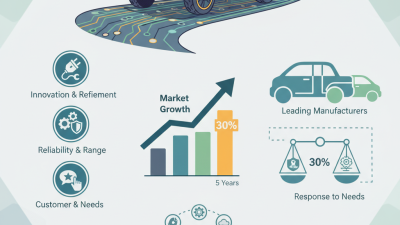
Data indicates that the electric pickup market could see a growth rate of over 30% in the coming years. This is encouraging for manufacturers. However, challenges remain. Some consumers are concerned about charging infrastructure. Others question the truck's range and capabilities. Addressing these issues is crucial for attracting buyers.
Moreover, competition will intensify. While many companies are entering this space, not all can deliver reliable products. Potential buyers should consider testing various models. This can help them understand their options. The Mini Electric Pickup Truck stands out for its compact design and lower emissions. It offers a fresh alternative for urban dwellers looking to reduce their carbon footprint. Balancing innovation with practicality will be essential for success in this emerging market.
Top Small Electric Pickup Trucks to Consider in 2026
| Model |
Projected Sales (Units) |
Range (Miles) |
Starting Price ($) |
Payload Capacity (lbs) |
| Electric Truck A |
50,000 |
300 |
35,000 |
1,500 |
| Electric Truck B |
40,000 |
250 |
30,000 |
1,200 |
| Electric Truck C |
35,000 |
280 |
33,500 |
1,000 |
| Electric Truck D |
30,000 |
320 |
34,000 |
1,400 |
Sustainability and Environmental Impact of Small Electric Pickups
The shift towards sustainable transportation has led to increased interest in small electric pickup trucks. The environmental impact of these vehicles is significant. A report by the International Council on Clean Transportation (ICCT) states that electric vehicles (EVs) can reduce greenhouse gas emissions by up to 68% compared to traditional gasoline pickups. This statistic highlights the potential for small electric pickups to contribute to climate goals.
Manufacturing electric vehicles also poses challenges. The extraction of lithium, cobalt, and nickel for batteries can have detrimental effects on ecosystems. An analysis by the World Economic Forum suggests that optimizing battery recycling can reduce this environmental burden. However, many manufacturers still face hurdles in establishing effective recycling systems. The transition to electric trucks requires not just innovation in design but also better resource management.
Another consideration is the supply chain for producing small electric pickups. A report from McKinsey indicates that the carbon footprint associated with battery production can overshadow the emission benefits during a vehicle's lifecycle. Consumers are increasingly aware of these issues, which demands transparency from manufacturers. The interplay between sustainability and production practices must be addressed. This balance is essential to meeting environmental targets.
FAQS
: The sales growth is projected to exceed 30%, indicating significant market changes.
Many consumers prefer compact options that align with their eco-friendly values.
Concerns include charging infrastructure and the trucks' range and capabilities.
Electric vehicles can potentially reduce emissions by up to 68% compared to traditional gasoline trucks.
Extraction of materials for batteries can harm ecosystems and affect sustainability.
Effective battery recycling is vital to reduce environmental impact from production.
Not all companies can deliver reliable products, making testing models crucial before purchase.
Consumers can seek transparency from manufacturers regarding their production practices.
Balancing innovation with practicality is key to meet consumer needs and environmental goals.
Yes, growing awareness demands better practices and transparency in the industry.
Conclusion
The landscape of the electric pickup truck market is rapidly evolving, with a significant focus on small electric pickups in 2026. As the market trends shift, key features such as advanced battery technology, improved range, and enhanced towing capacities are becoming essential factors for consumers. The advancements in battery technology are particularly noteworthy, as they directly impact the efficiency and performance of these vehicles, making them more appealing to a broader audience.
In a comparative analysis of leading small electric pickup models, it is evident that these trucks provide competitive advantages over traditional pickups in terms of cost of ownership and sustainability. The projected sales growth for electric trucks highlights a shift towards greener alternatives, emphasizing their environmental benefits. Overall, small electric pickups are poised to play a crucial role in the automotive sector, addressing consumer demands for performance, sustainability, and cost-effectiveness in 2026 and beyond.