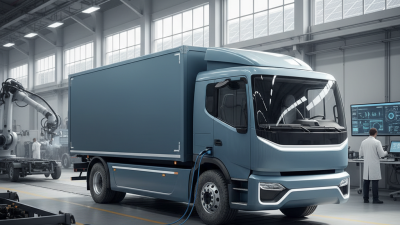
Picking the right Electric Fire Truck for your fleet really matters. With so many options out there, you gotta think about what's most important to you. Every fire department is a bit different—whether it’s the location, how fast you need to respond, or the specific needs of your community.
Now, going with an Electric Fire Truck has some pretty great perks—like cutting down emissions and saving on operational costs. But I get it, some folks might worry about whether it can keep up with traditional trucks performance-wise. Reliability’s a big deal, especially since fire crews count on their trucks to perform no matter what. So, choosing the right model is definitely important.
Before you make a call, think about stuff like where you’ll be charging the truck and how often you'll need to do maintenance. Some electric trucks need special charging stations, so it’s good to check if your area’s electrical setup can support that. Getting a good handle on these details will help make sure your new truck will really work well for your community and keep everyone safe.

Understanding the Benefits of Electric Fire Trucks for Firefighting Fleets
Electric fire trucks are revolutionizing firefighting fleets. These trucks offer unique benefits that enhance operational efficiency and environmental responsibility. One major advantage is their reduced carbon footprint. Electric vehicles produce fewer emissions, contributing to cleaner air quality, especially in urban areas. This is crucial for firefighters who operate in densely populated regions.
Another benefit is the lower cost of ownership over time. Electric fire trucks require less maintenance than traditional diesel models. They have fewer moving parts, which means fewer breakdowns. Additionally, the fuel savings from using electricity instead of diesel can significantly cut operational expenses. However, the initial purchase price may be higher. This aspect often prompts reflection and discussion among fleet managers about budget allocations.
Noise reduction is also notable with electric fire trucks. They operate quietly, which can be advantageous in sensitive environments. This quieter operation helps maintain community relations, especially during nighttime operations. Yet, there is a trade-off. Some may argue that the sound of traditional engines serves as a warning to pedestrians. Balancing these factors is essential for any fleet considering this transition.
Evaluating Power and Battery Life for Optimal Performance
When choosing an electric fire truck for your fleet, evaluating power and battery life is essential for optimal performance. The L7e Electric Fire Truck has emerged as a game-changer in the industry, but it’s crucial to understand its capabilities fully. Recent industry reports indicate that battery technology has improved significantly. Many electric fire trucks can now run continuous operations with sufficient power for extended periods.
Consider the specifications of the batteries used in models like the L7e Electric Fire Truck. Look for significant energy density ratings, as they determine how long the vehicle can operate before needing a recharge. Aim for vehicles capable of running for at least 8 hours on a single charge. Not all models provide this; hence thorough research is vital.
Another key point relates to charging times. Fast-charging capabilities can reduce downtime. Many departments face challenges in planning optimal response times. Check if the L7e Electric Fire Truck can recharge to 80% in under an hour, which enhances readiness and efficiency. Reflect on the operational needs of your fleet; inadequate battery life or charging speed can lead to missed opportunities in critical situations.
Assessing Vehicle Size and Maneuverability in Urban Environments
Choosing the right size for an electric fire truck is crucial. Urban environments often have narrow streets and tight corners. A Mini Electric Fire Truck can maneuver effectively in such spaces. Its compact design allows quicker responses to emergencies. Firefighters can access areas that larger trucks might not reach.
Maneuverability is essential for saving time during critical situations. Consider the turning radius and overall length of the truck. A smaller vehicle may face fewer obstacles in crowded areas. However, it may have limited water capacity. This trade-off requires careful evaluation. Take the time to assess local conditions.
Reflecting on past experiences can guide your decision. Some departments have faced challenges due to size limitations. Others enjoyed the benefits of a smaller vehicle. Adjustments in strategy and approach can enhance operational efficiency. A mini electric fire truck offers exciting possibilities but doesn’t come without challenges. Balancing size and capability is key to effective fire responses.
Considering Cost and Budget Constraints for Procurement
When it comes to purchasing an electric fire truck, budget decisions become pivotal. Understanding the total cost of ownership is crucial for any fleet manager. This includes not just the upfront price but also maintenance, charging infrastructure, and operational costs. Many decision-makers overlook hidden costs, which can affect long-term budgeting.
Evaluating grants and incentives can relieve some budget pressure. Governments and agencies sometimes offer funding for electric vehicles. It's essential to research these options thoroughly. While the price of electric fire trucks may seem high, their long-term savings can offset this initial investment.
It's also necessary to account for the changing technology landscape. Electric vehicle technology is evolving rapidly. What seems like a good deal today may be outdated tomorrow. Fleet managers need to remain adaptable and consider future needs during procurement. Considering the balance between cost-efficiency and technological advancement may lead to better investment decisions.
Analyzing Charging Infrastructure and Maintenance Requirements
Analyzing the charging infrastructure for electric fire trucks is crucial. Many fire departments face challenges with the availability of charging stations. According to a report from the National Fire Protection Association, adequate infrastructure is key to ensuring reliable operations. A lack of charging points can lead to longer downtime during emergency responses.
Maintenance requirements for electric fire trucks differ significantly from traditional vehicles. Studies show that electric trucks require less mechanical upkeep due to fewer moving parts. However, battery management systems must be carefully monitored. Neglecting this can lead to decreased performance over time. A report from the Electric Power Research Institute highlights that routine checks of charging systems and battery health are essential.
It's important to consider these factors when planning your fleet. Departments must analyze their current resources and predict future needs. Some locations may need to invest in expanded charging infrastructure. This requires a balance between upfront costs and long-term savings from reduced maintenance. With proper planning, departments can enhance their fire response capabilities while adapting to evolving technologies.
Top 5 Tips for Choosing an Electric Fire Truck for Your Fleet
| Tip |
Consideration |
Details |
| Charging Infrastructure |
Availability |
Assess the proximity of charging stations to ensure constant availability during operations. |
| Battery Capacity |
Range |
Evaluate the battery's range to meet daily operational needs without frequent recharging. |
| Maintenance Requirements |
Service Intervals |
Investigate the recommended service intervals and potential costs involved with maintenance. |
| Environmental Considerations |
Sustainability |
Ensure that the electric fire truck complies with environmental regulations and contributes to a lower carbon footprint. |
| Total Cost of Ownership |
Budgeting |
Calculate the total cost of ownership including purchase price, maintenance, and charging costs over time. |
Reviewing Manufacturer Reputation and After-Sales Support Options
When selecting an electric fire truck for your fleet, understanding manufacturer reputation is crucial. A strong reputation often hints at quality and reliability. According to industry reports, companies with positive reviews can lead to better equipment performance and longevity. Collect data on the manufacturer’s history, including their experience in the market. A company with ten years in electric fire truck production is more likely to deliver reliable solutions.
Consider after-sales support options thoroughly. Reliable maintenance services and warranty offerings can significantly impact operational costs. A report from the Fire Industry Association indicates that comprehensive after-sales support can reduce repair costs by up to 35%. When purchasing a Small Electric Fire Truck, ensure the manufacturer provides extensive training for your team. This helps in understanding the truck’s technology, reducing downtime in emergencies.
Additionally, look for manufacturers that commit to ongoing support. This can be in the form of software updates or access to technical support staff. A lack of adequate after-sales service can lead to increased frustration. Without support, you may face unnecessary delays during critical operations. Knowing who will provide assistance when issues arise is key to an effective fleet operation.
Investigating Technological Features and Innovations in Electric Fire Trucks
Electric fire trucks are transforming firefighting capabilities. Understanding their technological features is crucial for fleet managers. When evaluating options, consider battery life and charging times critically. A longer battery life means extended operational periods without interruptions. Fast charging capability enhances readiness, allowing trucks to respond quickly without long downtimes.
Modern innovations, such as advanced fire suppression systems and improved mobility, play vital roles. Look for Electric Fire Patrol Trucks with integrated sensors and automation. These features enhance situational awareness during emergencies. Nonetheless, some systems can be complex to operate, requiring thorough training and user familiarity. It’s essential to provide adequate training to your responders.
Investing in electric fire trucks should also focus on sustainability. These vehicles often produce fewer emissions, supporting eco-friendly initiatives. However, assess the total environmental impact, including battery disposal challenges. Bringing in expert opinions can clarify these aspects. Balancing cutting-edge technology with practical usability will lead to a more effective firefighting fleet.
FAQS
: Vehicle size affects maneuverability in narrow streets and tight corners, crucial for reaching emergencies quickly.
Its compact design allows access to areas larger trucks cannot reach, enhancing emergency response times.
Evaluate the turning radius and overall length of the truck to ensure it can navigate crowded areas.
Smaller trucks may have fewer obstacles but often possess limited water capacity, requiring careful evaluation.
Reflecting on previous challenges can help decide whether a smaller model might offer better operational efficiency.
A strong reputation typically indicates better reliability and quality, essential for emergency service equipment.
Reliable maintenance and training can reduce downtime and repair costs, ensuring effective operation during emergencies.
It can lower repair costs by up to 35%, saving money for fire departments in the long run.
Extensive training helps your team understand the technology, which is vital for quick operations during crises.
Lack of support can lead to frustrating delays and operational issues during critical situations, hindering response efforts.
Conclusion
When selecting an Electric Fire Truck for your firefighting fleet, it is essential to understand the numerous benefits these vehicles offer, such as reduced emissions and lower operational costs. Evaluating key factors like power and battery life ensures optimal performance during emergencies, while assessing vehicle size and maneuverability is crucial for navigating urban environments effectively.
Moreover, it is important to consider budget constraints and the overall cost of procurement. An analysis of charging infrastructure is necessary to guarantee seamless operation, alongside evaluating maintenance requirements. Lastly, reviewing the manufacturer's reputation and after-sales support options, as well as investigating the latest technological features and innovations, can significantly impact the overall effectiveness and reliability of your Electric Fire Truck fleet.