More and more businesses around the world are really starting to see the value in EV cargo vehicles. As the buzz around their eco-friendly benefits spreads, it’s becoming pretty clear that finding the right ones is more important than ever. But here’s the thing — choosing quality suppliers is key if you want to get it right.
When you’re on the hunt for EV cargo vehicles, it helps to dig into the latest market trends and maybe even chat with industry folks. Their insights can really give you that extra edge. Sure, a bunch of new manufacturers are popping up, but not all of them play by the same quality standards. So, doing your homework and being thorough is crucial.
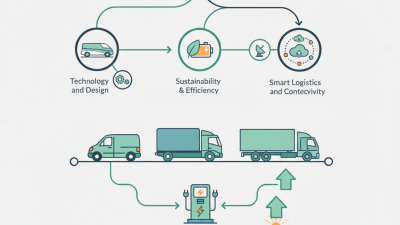
Having a trusted partner like Green Fleet can make a big difference. They really know their stuff when it comes to EV cargo vehicles. It’s also a good idea to understand the tech and sustainability angles — knowing what’s behind the scenes makes your decision way easier. Honestly, there’s always room to get better at sourcing, and looking back on past experiences can help you fine-tune your approach and make smarter buying choices in the future.
Electric cargo vehicles (ECVs) are revolutionizing transportation. Their global importance cannot be overstated. These vehicles reduce emissions significantly. They also lower operating costs. This makes them an attractive option for businesses worldwide.
Sourcing ECVs requires careful consideration. One tip is to assess the local infrastructure. Charging stations are crucial for the effective use of these vehicles. If the infrastructure is lacking, ECV performance may suffer. Researching regional policies on electric vehicles is essential. Government incentives can also influence your decision.
Another important point involves understanding battery technology. Different batteries provide varying ranges and charging times. It's vital to consider how long vehicles will be out of service for charging. Evaluate options like fast-charging stations to minimize downtime. Testing ECVs in real work scenarios can reveal strengths and weaknesses. This practical experience is invaluable for making informed choices.
Identifying key markets for sourcing Ev Cargo Vehicles involves understanding regional demand and infrastructure readiness. North America and Europe have shown the highest growth potential. According to a report by the International Energy Agency, global electric vehicle sales reached 6.6 million in 2021, with a notable rise in commercial vehicle segments. However, the growth of EV cargo vehicles is often limited by charging infrastructure. Markets with robust charging networks, like the Netherlands and California, are ideal for sourcing opportunities.
Emerging markets in Asia, such as India and China, are also pivotal. China's large-scale government incentives drive EV adoption. The country accounted for over 50% of global electric vehicle sales in 2021, showcasing its market significance. However, the availability of EV cargo vehicles is still uneven. This gap can present sourcing challenges but also opportunities for strategic partnerships with local manufacturers.
Evaluating these markets requires drilling down into specifics. For instance, urban areas typically present higher demand for EV cargo vehicles due to stringent emission regulations. Further analysis on local manufacturing capabilities can reveal potential sourcing partners. Balancing these insights with logistics considerations ensures a comprehensive approach to sourcing EV cargo vehicles effectively.
When sourcing electric cargo vehicles (EVs), evaluating supplier capabilities and certifications is crucial. Industry reports suggest that over 70% of procurement managers prioritize supplier assessments in their sourcing process. This highlights the importance of verifying that suppliers meet specific standards. Understand what certifications are vital in your region, such as ISO 9001 for quality management or ISO 14001 for environmental processes. These certifications reflect a commitment to manufacturing safe and sustainable vehicles.
Consider conducting audits of potential suppliers. A direct partnership provides insight into their operational practices. Look for past performance data. Suppliers that have successfully delivered EVs to reputable clients may instill more confidence. However, be aware—some suppliers may misrepresent their capabilities. Trust but verify is a prudent approach.
It’s crucial to maintain ongoing communication with your suppliers. A transparent relationship can reveal potential challenges early on. Regularly request updates on certifications and compliance status. Data shows that 68% of partnerships fail due to lack of communication. Supplier reliability can fluctuate. Awareness of these dynamics can assist in making more informed decisions.
| Supplier Location | Vehicle Type | Production Capacity | Certifications | Sustainability Practices |
|---|---|---|---|---|
| North America | Electric Van | 2000 units/month | ISO 9001, ISO 14001 | Battery Recycling Program |
| Europe | Electric Truck | 1500 units/month | ISO 9001, CE Mark | Renewable Energy Usage |
| Asia | Electric Cargo Bike | 5000 units/month | ISO 9001, RoHS | Zero Waste Policy |
| South America | Electric Pickup | 1200 units/month | ISO 9001, UL Certification | Environmental Impact Assessments |
When considering the total cost of ownership (TCO) for electric (EV) cargo vehicles, various factors come into play. Research from the International Energy Agency indicates that the upfront cost of EVs can be higher than traditional vehicles. However, this initial investment can be offset by lower operating costs. For example, energy costs for EVs are typically 60-70% lower than gasoline vehicles, which can significantly impact TCO.
Maintenance costs also deserve attention. EVs generally require less maintenance due to fewer moving parts. A report by the U.S. Department of Energy notes that routine maintenance for EVs can be 40% lower compared to internal combustion engine vehicles. Despite these advantages, potential buyers should consider regional availability of charging infrastructure. Limited charging stations can lead to range anxiety and affect overall efficiency.
Calculating TCO also involves depreciation rates. EVs may depreciate at a different rate compared to their gasoline counterparts, influenced by market acceptance and battery life. As electric technology evolves, observers note fluctuations in resale values. Hence, it's essential to analyze both current market trends and future projections when making purchasing decisions. Evaluating all these elements can provide a clearer picture of the financial implications of investing in EV cargo vehicles.
Navigating regulatory compliance and incentives is crucial when sourcing electric cargo vehicles globally. Each region has its own regulations. Adhering to these can determine the success of your procurement efforts. For example, the European market imposes various emissions standards that influence L7e Cargo Vehicle importation. According to industry reports, over 65% of businesses cite compliance confusion as a major hurdle in sourcing.
Understanding local incentives can also enhance your strategy. Governments often provide financial incentives for electric vehicle adoption. For instance, some regions offer tax reductions or grants for L7e Cargo Vehicle purchases. Staying informed about these programs is essential for maximizing cost efficiency. Regularly check local government websites or industry associations for up-to-date information.
Tip: Partner with local experts who understand regional regulations. This can save time and resources. Creating a compliance checklist can simplify the sourcing process. Be flexible and adapt your approach according to changing regulations or new incentives. Keeping informed helps navigate the complexities of sourcing electric cargo vehicles.
Building strategic partnerships with manufacturers and dealers is crucial for sourcing Electric Cargo Vehicles effectively. Establishing trust can take time. Regular communication is key. It supports transparency and fosters collaboration in the long run.
Seek manufacturers with a proven track record. Their experience can guide you in identifying reliable products. Attend trade shows; they offer direct interaction opportunities. Observe the latest innovations in Electric Cargo Vehicles. This firsthand experience is invaluable.
Evaluate potential dealers thoroughly. Check online reviews and ask for references. This helps gauge their reliability. Don't overlook local suppliers; they often provide better service and support. A diverse network enriches sourcing options, but it comes with challenges too. Each partnership may not meet your expectations. Reflecting on past experiences can lead to improved choices in the future.
The growing demand for EV cargo vehicles presents supply chain challenges. Sourcing these vehicles globally requires careful navigation of regional regulations, supplier capabilities, and logistics. According to a recent report from the International Energy Agency, global EV sales surged by 40% in 2021, but this demand has not been met with an equally robust supply chain.
Key challenges include the sourcing of critical materials like lithium and cobalt, essential for battery production. Securing reliable suppliers for these materials can be difficult. For instance, the World Bank reported that the demand for lithium is projected to increase by nearly 500% by 2050. This shortage can affect the availability of Ev Cargo Auto options in the market. Companies must assess their supply chain dependencies and consider localizing some production to mitigate risks.
Logistical issues are also significant. Port delays and transportation bottlenecks increase lead times and costs. A recent study indicated that over 70% of companies experienced delays in shipping due to unforeseen circumstances. Evaluating various shipping routes and practices can help address these concerns. Investing in technology for real-time tracking and inventory management can enhance visibility. Developing strong relationships with suppliers can also lead to better negotiation outcomes, ensuring access to the necessary EV cargo auto options.
The following bar chart illustrates the primary challenges faced when sourcing electric vehicle (EV) cargo vehicles globally, along with potential solutions that can be implemented to overcome these obstacles. The categories include supply chain issues, production capacity, regulatory hurdles, and technology integration.
: North America and Europe show high growth potential, with strong demand and better infrastructure for EVs.
China accounted for over 50% of global EV sales in 2021, driven by strong government incentives.
Limited charging infrastructure and uneven availability of vehicles in emerging markets can hinder sourcing efforts.
Each region has distinct regulations. Meeting these can greatly impact procurement success and cost efficiency.
Partnering with local experts and creating a compliance checklist can simplify the sourcing process significantly.
Material shortages, like lithium and cobalt, logistical delays, and transport bottlenecks complicate sourcing.
Assessing supplier capabilities and localizing production can help firms reduce risks associated with sourcing.
Financial incentives offered by governments can enhance sourcing strategies, maximizing cost benefits for purchasers.
Investing in real-time tracking and inventory systems can enhance visibility, addressing delays and inefficiencies.
Building strong relationships with suppliers can lead to better negotiation outcomes and ensure vehicle availability.
The article "Top Tips for Sourcing EV Cargo Vehicles Worldwide" provides a comprehensive guide for businesses looking to invest in electric cargo vehicles (EV Cargo Vehicles). It emphasizes the global significance of these vehicles in promoting sustainable logistics and reducing carbon footprints. Key markets for sourcing EV Cargo Vehicles are identified, along with essential factors to evaluate supplier capabilities and certifications, ensuring a reliable procurement process.
Additionally, the article highlights the importance of analyzing the total cost of ownership, considering aspects like maintenance and operational efficiency. Navigating regulatory compliance and potential incentives can also optimize sourcing decisions. Building strategic partnerships with manufacturers and dealers is encouraged to enhance supply chain resilience while addressing common challenges in EV sourcing, ultimately paving the way for a successful transition to electric cargo solutions.