The electric cargo vehicle industry is really picking up steam lately. By 2026, a lot of companies are gonna be on the lookout for sustainable ways to handle their deliveries. I was chatting with Jamie Anderson over at Green Fleet Solutions, and he said, “Electric Cargo Vehicles are gonna totally change how we do deliveries.” That really hits home when you think about how much we need new ideas in logistics, you know?
Lately, electric cargo vehicles have been getting a lot more attention. They’re a much greener option compared to the regular old delivery trucks. But, of course, it’s not all smooth sailing. Things like charging stations are still kinda sparse in busy city areas, and the upfront costs can scare off a lot of businesses from jumping in right away. Still, as tech gets better, these roadblocks might start to fade.
Looking at the top electric cargo vehicles for folks around the world in 2026 is super important. Every model has its own perks, and companies really need to think about what matters most — performance or being eco-friendly. It’s a big decision, and I’d say it’s worth putting plenty of thought into. The future of logistics definitely points toward electric cargo vehicles, even if there are some bumps along the way. But honestly? The potential benefits could be worth it in the long run.
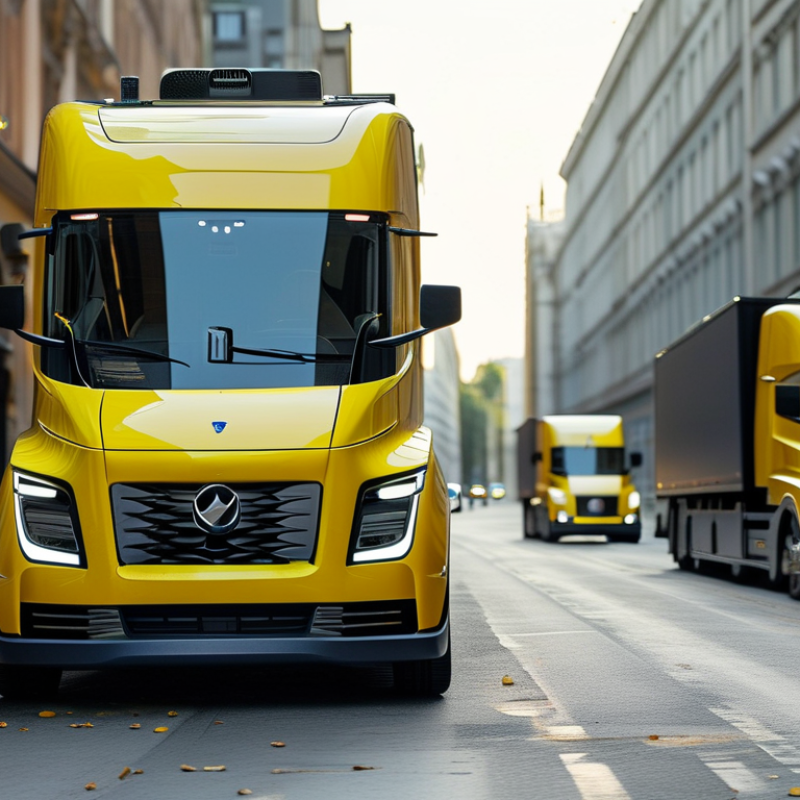
Overview of Electric Cargo Vehicles Market Trends in 2026
The electric cargo vehicle market is evolving rapidly as more businesses recognize their benefits. In 2026, trends highlight a shift toward sustainability and efficiency. Demand for zero-emission options continues to rise, driven by global environmental goals. Additionally, advancements in battery technology are improving the range and performance of these vehicles. Urban logistics is a focus, as cities seek to reduce congestion and pollution.
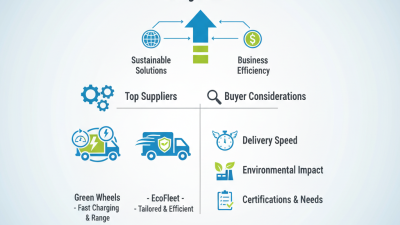
Tips for selecting an electric cargo vehicle include assessing range requirements and payload capacity. Consider your typical delivery routes and the charging infrastructure available. Vehicles may have varied performance in different settings. Researching local regulations and incentives can also maximize operational efficiency.
Another key trend is automation in electric cargo vehicles. Many manufacturers are exploring autonomous features. While this technology shows promise, there are challenges regarding safety and public acceptance. It's crucial to navigate these developments thoughtfully, ensuring they align with your business goals.
Key Features to Consider When Choosing Electric Cargo Vehicles
When considering electric cargo vehicles, several key features demand attention. Battery life is critical. A longer battery range means drivers can transport goods without frequent charging stops. Look for vehicles that offer quick charging options. This feature greatly reduces downtime during operations.
Weight capacity is another important aspect. Ensure the vehicle can carry the necessary payload effectively. A vehicle may look efficient, but if it cannot handle your cargo, it falls short. Think about the dimensions. A good fit for delivery routes is essential.
Don't overlook safety features. Each vehicle should come equipped with advanced safety systems. This includes anti-lock brakes and collision detection systems. These elements not only protect the driver but also ensure the safety of the cargo.
Many buyers often ignore maintenance considerations. A vehicle may be reliable initially, but parts can wear out quickly. Research the accessibility of service centers. Proximity to maintenance resources can save time and money in the long run.
Explore the availability of real-time data tracking. This feature helps in route optimization and quick decision-making. Efficient operations require constant communication and data flow. Each of these elements plays a crucial role in your purchasing decision. It’s vital to reflect on each feature’s importance for your specific needs.
Top 10 Electric Cargo Vehicles for Global Buyers: An Introduction
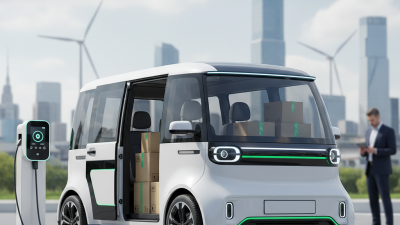
The electric cargo vehicle sector is rapidly evolving, driven by the demand for sustainability and efficiency. In 2026, global buyers will seek vehicles that reduce carbon footprints while enhancing delivery capabilities. Electric cargo vehicles offer a unique combination of lower operating costs and fewer emissions. They are becoming essential in urban logistics, where congestion and pollution are pressing issues.
Innovative designs and advanced technologies are reshaping these vehicles. Many models are incorporating lightweight materials and improved battery systems. This leads to benefits such as increased payload capacity and longer ranges. However, some challenges remain. Charging infrastructure is still developing in many regions. Buyers must consider the availability of charging stations when making purchasing decisions. Range anxiety can be a concern, affecting logistics planning.
In addition, while many electric cargo vehicles boast impressive specifications, real-world performance can vary. Buyers should research thoroughly and consult recent reviews. Understanding how these vehicles perform under different loads and conditions is vital. The electric cargo market is promising, but prospective owners need to remain cautious and informed. This way, they can make the best choices for their operational needs.
Detailed Review of Each Electric Cargo Vehicle in the Top 10
As electric cargo vehicles gain traction in the logistics sector, understanding their capabilities is essential. The latest report from the International Energy Agency predicts that global sales of electric trucks will reach 3 million units by 2030. Among the top ten electric cargo vehicles in 2026, manufacturers are focusing on improved range and payload capacity. For instance, some models now boast ranges exceeding 200 miles on a single charge, essential for urban deliveries.
Investors and fleet managers should pay attention to usability and charging infrastructure. Some vehicles stand out with rapid charging options, allowing them to recharge to 80% in under 30 minutes. This feature is crucial for reducing downtime and maximizing productivity. However, not all regions have compatible charging stations. Prospective buyers need to evaluate local infrastructure before deciding.
Think about the total cost of ownership, not just the upfront price. Battery maintenance and energy efficiency impact long-term expenses significantly. Data shows that electric trucks reduce energy costs by up to 70% compared to diesel vehicles. This deepens the consideration for fleet applications. Choosing the right vehicle requires careful analysis of both current capabilities and future innovations in technology.
Comparative Analysis of Performance and Capacity Among Top Vehicles
As electric cargo vehicles gain traction, performance and capacity become crucial metrics for buyers. Different models offer various load capacities, often influencing choice. Some vehicles excel in payload but may lack in range. Others may promise long distances but compromise on space. Today's market presents diverse options, yet the balance between capacity and performance is still a challenge.
When evaluating electric cargo vehicles, buyers should consider their specific needs. For example, if you transport heavy goods, opt for models with higher payload ratings. Conversely, if the priority is distance, select vehicles equipped with larger batteries. Some manufacturers provide detailed specifications, while others leave potential gaps in data. This inconsistency can complicate informed purchasing decisions.
Experience and expertise play critical roles in navigating the electric cargo vehicle landscape. Industry reports suggest that real-life performance often differs from advertised metrics. User reviews can provide insights into real-world efficiency and reliability. Analyzing these aspects ensures a well-rounded decision, even if conflicting information persists. The evolving market demands a keen approach, requiring ongoing research and genuine feedback.
Cost of Ownership and Maintenance for Electric Cargo Models
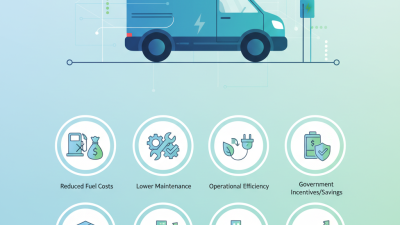
The cost of ownership and maintenance for electric cargo vehicles is a crucial factor for global buyers in 2026. According to recent industry reports, electric cargo models could save owners up to 30% on fuel costs compared to traditional diesel vehicles. However, initial purchase prices for these electric models can be higher. Buyers need to carefully consider the long-term savings versus upfront costs.
Maintenance costs for electric cargo vehicles tend to be lower. For instance, electric motors require less frequent servicing. Battery replacement remains a significant expense, typically ranging from $5,000 to $15,000 depending on the vehicle. Data suggests that the average lifespan of a battery is around 8 to 15 years, depending on usage and technology advancements. Buyers should factor in these costs when evaluating the total cost of ownership.
Moreover, the environmental benefits can align with corporate sustainability goals. Electric vehicles produce fewer emissions, which can lead to tax incentives in many regions. However, the effectiveness of these incentives varies by location and policy changes may occur. Global buyers must stay updated on legislative shifts that could affect their long-term planning. Balancing these factors is essential for making informed purchasing decisions in the evolving market for electric cargo vehicles.
Top 10 Electric Cargo Vehicles for Global Buyers in 2026
| Model |
Estimated Cost ($) |
Battery Range (miles) |
Cargo Capacity (lbs) |
Maintenance Cost Per Year ($) |
| Model A |
$70,000 |
250 |
3,000 |
$800 |
| Model B |
$65,000 |
200 |
2,800 |
$750 |
| Model C |
$75,000 |
300 |
3,500 |
$900 |
| Model D |
$80,000 |
220 |
4,000 |
$1,000 |
| Model E |
$68,000 |
180 |
2,500 |
$700 |
| Model F |
$88,000 |
350 |
4,500 |
$1,200 |
| Model G |
$72,000 |
240 |
3,200 |
$850 |
| Model H |
$76,000 |
260 |
3,800 |
$950 |
| Model I |
$64,000 |
210 |
2,900 |
$720 |
| Model J |
$90,000 |
400 |
5,000 |
$1,500 |
Future Innovations in Electric Cargo Vehicle Technology and Design
As the world moves towards sustainable transportation, electric cargo vehicles (ECVs) are at the forefront of innovation. By 2026, advancements in ECV technology will likely enhance operational efficiency and reduce environmental impact. Reports predict that the global electric vehicle market is expected to grow at a CAGR of over 22% from 2021 to 2026. This signifies a substantial commitment to electric logistics solutions.
Battery technology is a crucial focus area. Future innovations will likely see batteries offering improved energy density and faster charging times. Current estimates indicate that newer battery materials could increase range by 30% while maintaining safety standards. Vehicles may also employ lightweight materials, thus improving energy efficiency and payload capacity.
Furthermore, smart connectivity will transform how ECVs operate. Advanced telematics can enable real-time monitoring of vehicle performance and load optimization. Integration with smart city infrastructure could facilitate smoother logistics and reduce congestion. However, these technologies come with challenges like cybersecurity risks and the need for continuous software updates. Stakeholders must address these issues to fully realize the potential of electric cargo vehicles in the global market.
FAQS
: Buyers must evaluate the availability of charging stations in their area and their specific operational needs.
Range anxiety can affect logistics planning, especially if charging infrastructure is inadequate.
They are reducing carbon footprints and emissions, which is crucial for congested and polluted urban areas.
Battery maintenance and energy efficiency significantly impact long-term expenses, beyond the initial purchase price.
Different models excel in various areas; some offer high payloads while others focus on long ranges, which can complicate choices.
User reviews can provide valuable insights into real-world performance, giving a clearer picture than advertised metrics.
Rapid charging allows vehicles to recharge quickly, reducing downtime and enhancing productivity for fleet managers.
Continuous research and awareness of technological advancements help buyers make informed choices for future needs.
Real-world performance can differ due to various factors, including load conditions and inconsistent manufacturer data.
They should prioritize payload capacity, range, and the availability of supporting infrastructure based on their delivery needs.
Conclusion
The electric cargo vehicle market is poised for significant growth in 2026, driven by trends favoring sustainability and technological advancements. Buyers are encouraged to consider key features such as battery life, payload capacity, and charging infrastructure when choosing an electric cargo vehicle. This article introduces the top 10 electric cargo vehicles available globally, offering a detailed review of each model, including a comparative analysis of their performance and capacity.
Furthermore, the cost of ownership and maintenance aspects are crucial for potential buyers, highlighting the long-term benefits of transitioning to electric models. As the industry evolves, future innovations in electric cargo vehicle technology and design promise to enhance functionality and efficiency, catering to the increasing demand from businesses seeking environmentally friendly transportation solutions.