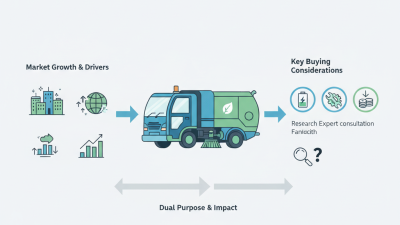
Looking to make our streets cleaner? Well, Electric Sweeper Trucks are really turning heads lately. I mean, these things are a total game-changer! According to John Smith—who's pretty much a go-to guy in the electric vehicle world and heads up CleanTech Solutions—he says, “The future of keeping our cities neat is all about adopting Electric Sweeper Trucks.” They’re not just cool tech; they actually help cut down noise and emissions, which is a big win for cities that want to be more eco-friendly.
That said, moving to these electric designs isn’t all smooth sailing. A lot of city governments are hitting budget issues that make it tough to switch over right away. Plus, folks are concerned about how far these trucks can go before needing a charge and whether there’s enough charging stations around. As cities keep growing and changing, it’s super important to find solutions for these hurdles so we can really make the most of what Electric Sweeper Trucks have to offer. All in all, the road to a greener, cleaner environment is a bit rocky, but with new tech coming out all the time, we’re definitely on the right path toward a more sustainable future.
Key Features of Electric Sweeper Trucks for Urban Cleaning
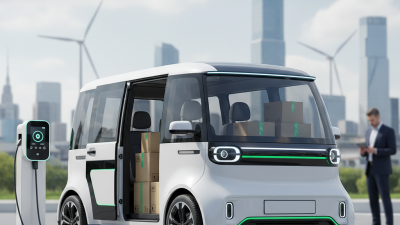
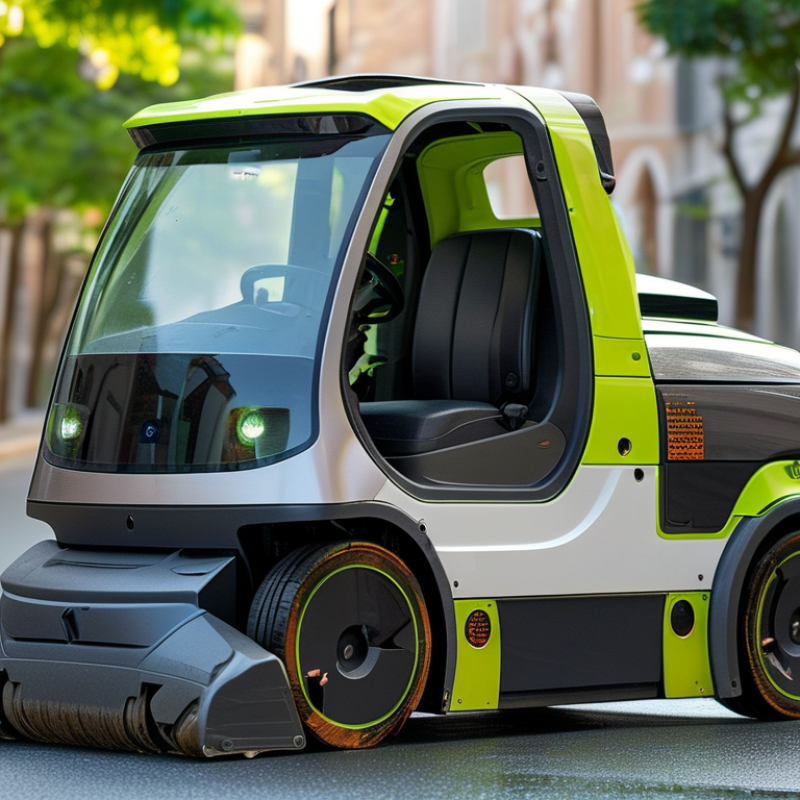
Electric sweeper trucks are crucial for urban cleanliness. They offer a sustainable solution to maintaining streets without harming the environment. Key features like compact designs, quiet operations, and powerful suction make them ideal for city cleaning. A Mini Electric Sweeper Truck is especially effective in narrow streets and crowded areas.
When choosing an electric sweeper, consider the battery life. Longer battery life supports extended cleaning sessions, reducing downtime. Look for models with quick charging capabilities. Efficiency also depends on the weight of the truck; lighter models are easier to maneuver.
Regular maintenance is key for reliability. Check filters and brushes frequently. This ensures optimal performance, especially in dusty environments. Remember, improper maintenance can lead to costly repairs. Investing time in upkeep can enhance the overall lifespan of your electric sweeper truck.
Environmental Benefits of Using Electric Sweeper Trucks
Electric sweeper trucks offer a cleaner way to maintain city streets. These vehicles drastically reduce air pollution compared to traditional diesel options. With battery power, they emit zero tailpipe pollutants, which contributes to healthier urban environments. This change helps to protect the health of residents, especially in densely populated areas.
When choosing electric sweeper trucks, consider their range and charging infrastructure. It's essential to evaluate how long the trucks can operate between charges. A robust charging network is also necessary to avoid downtime. This aspect is often overlooked but critical for ensuring consistent street cleaning.
Sustainability is another significant advantage. Electric trucks generate less noise, making city cleaning more pleasant. Noisy equipment can disturb residents or wildlife. Additionally, many electric sweeper designs focus on durability, reducing maintenance costs over time.
Tips for maximizing efficiency: regularly maintain battery systems and keep thorough records of charging patterns. Training operators on best practices can optimize performance. Experiment with different cleaning plans to find what works best for your city. Engaging with the community about street cleaning schedules can enhance satisfaction.
Comparison of Leading Brands in Electric Sweeper Truck Market
The electric sweeper truck market is evolving rapidly. Data from industry reports shows a projected annual growth rate of 12% in this segment by 2025. This growth is largely driven by environmental regulations and the demand for cleaner urban areas. Many cities are now prioritizing electric models due to their lower emissions and quieter operations.
When comparing leading brands, efficiency and performance are crucial metrics. Compact Electric Sweeper Trucks stand out for their maneuverability in crowded urban environments. They are designed for narrow streets and can operate in limited spaces. According to recent studies, these trucks can reduce cleaning time by up to 30%, making them an attractive option for municipalities. However, battery life remains a challenge. Some models struggle to last a full shift, requiring careful planning.
Another significant aspect is maintenance. Electric models require less maintenance than diesel alternatives. However, users need to be aware of the battery replacement costs. This can be a point of contention for fleet managers, as the initial savings on fuel can be offset by these hidden costs. A thorough understanding of both the advantages and limitations is essential for making informed decisions in the selection process.
Performance Metrics: How Electric Sweepers Stack Up Against Traditional Models
Electric sweepers are gaining traction for city street cleaning. Performance metrics reveal that these machines often outperform traditional models in several critical areas. A recent industry report highlights that electric sweepers can reduce noise levels by 50%, creating a more pleasant urban environment. Their low carbon emissions align well with the increasing demand for sustainable urban solutions.
In terms of operational efficiency, electric sweepers can cover up to 30% more ground than traditional gas-powered trucks. An analysis indicates that electric models have lower maintenance costs, averaging 25% less than their counterparts. However, they rely heavily on battery life, which can limit their range during extended operations. Urban planners must consider this aspect when integrating these vehicles into street cleaning strategies.
Despite significant advantages, electric models do face challenges. Performance may vary in extreme weather conditions, affecting their reliability. It’s crucial for cities to evaluate these variables before fully transitioning from traditional sweepers. Overall, electric sweepers present a promising solution for urban street cleaning, but careful assessment is needed to ensure optimal performance.
Maintenance Considerations for Electric Sweeper Trucks
Maintaining electric sweeper trucks is crucial for sustaining performance and longevity. Regular inspections are essential. The batteries require frequent checks to ensure they hold a charge effectively. According to a recent industry study, over 25% of maintenance issues stem from battery failure. Thus, monitoring battery health can preempt costly repairs.
Routine cleaning of the sweeping mechanisms is another vital aspect. Debris build-up can hinder efficiency. Professionals suggest a weekly cleaning schedule for the brushes and filters. Proper maintenance not only enhances performance but can also increase the lifespan of the truck by up to 30%. Furthermore, ensuring that the software is updated regularly can prevent operational glitches.
Investing in training for operators can yield significant benefits. Knowledgeable operators are less likely to overlook maintenance needs. Data shows that companies with trained staff experience 40% fewer unexpected failures. Creating a maintenance log can help track these activities. Regular entries enhance accountability and illustrate maintenance trends over time.
Future Trends in Electric Sweeper Truck Technology
Electric sweeper trucks are becoming increasingly vital in urban maintenance. The shift towards electric models not only boosts air quality but also reduces noise pollution. According to recent industry reports, Electric Compact Sweeper Trucks can reduce CO2 emissions by up to 60% compared to their diesel counterparts. This transition shows great promise for sustainable city management and appeals to municipalities striving for eco-friendly solutions.
Future trends in electric sweeper technology highlight advancements in battery efficiency and autonomous operation. Research indicates that newer battery technologies could increase operational ranges, allowing these vehicles to cover larger areas without frequent recharging. As sensors and AI technology evolve, we might see fully autonomous electric compact sweeper trucks navigating city streets, improving efficiency and reducing labor costs.
Tips: When selecting a street cleaning vehicle, consider the vehicle's maintenance requirements. Electric models typically require less maintenance than traditional diesel options. Also, be aware of regional electric infrastructure. Accessibility to charging stations is crucial for the reliable operation of electric sweeper trucks. Balancing cost and environmental benefits remains a key challenge as cities embrace greener options.
Top Electric Sweeper Trucks for Efficient Street Cleaning
Case Studies: Cities Using Electric Sweepers Effectively
Cities worldwide are increasingly turning to electric sweepers for street cleaning. Their eco-friendly nature is appealing. According to a recent report from the International Clean Transportation Institute, electric street sweepers can reduce particulate emissions by up to 90% compared to conventional diesel models. This shift helps improve urban air quality, benefiting public health.
For instance, a study in San Francisco highlighted that the city’s electric sweepers operate quietly, reducing noise pollution. They also cover more area with less downtime due to reduced charging needs. However, some reports indicate that while electric sweepers perform well in urban settings, they face challenges in extreme weather conditions and rugged terrains. Maintenance costs tend to be higher in these scenarios, requiring further evaluation.
Another example comes from Amsterdam, where electric equipment includes Electric Lawn Sweepers, allowing city staff to maintain parks and streets efficiently. The local government has reported a 30% increase in operational efficiency. Still, some residents have expressed concerns about the relatively higher initial investment for these electric options. Balancing cost and environmental benefits remains a crucial point of discussion for cities considering this technology.
Top Electric Sweeper Trucks for Efficient Street Cleaning
| City |
Sweepers Deployed |
Area Covered (sq miles) |
Daily Cleaning Capacity (tons) |
Operational Hours (per day) |
Eco-friendly Rating |
| City A |
15 |
50 |
25 |
16 |
A |
| City B |
10 |
40 |
20 |
15 |
B+ |
| City C |
20 |
60 |
30 |
18 |
A+ |
| City D |
8 |
30 |
15 |
12 |
B |
| City E |
12 |
45 |
22 |
14 |
A- |
FAQS
: They drastically reduce air pollution and help maintain cleaner city streets.
They emit zero tailpipe pollutants, contributing to healthier living conditions for residents.
Evaluate their range and the availability of a robust charging infrastructure.
A reliable charging network prevents downtime, ensuring consistent street cleaning services.
They generate less noise and focus on durability, which lowers maintenance costs.
Regular maintenance of battery systems and training operators on best practices can improve performance.
The market is expected to grow at an annual rate of 12% by 2025.
Some models may struggle with battery life, making careful planning essential.
They require less maintenance than diesel trucks, but battery replacement costs can be a concern.
Understanding both savings on fuel and potential hidden costs is crucial for informed decisions.
Conclusion
Electric sweeper trucks have emerged as an effective solution for urban street cleaning, combining advanced technology with environmental benefits. Key features of these vehicles include their electric power source, which significantly reduces emissions and noise pollution compared to traditional models. They are equipped with efficient cleaning mechanisms that enhance performance metrics, making them ideal for city maintenance.
Moreover, the maintenance considerations for electric sweeper trucks are generally lower, contributing to their appeal for municipal operations. As cities increasingly adopt these vehicles, case studies highlight their successful implementation and the positive impact on urban environments. Future trends in electric sweeper truck technology promise even greater efficiency and sustainability, paving the way for smarter and greener cities.